Inspirational journeys
Follow the stories of academics and their research expeditions
7 Important Things to Know Before Using Veterinary Endoscopy in Your Clinic

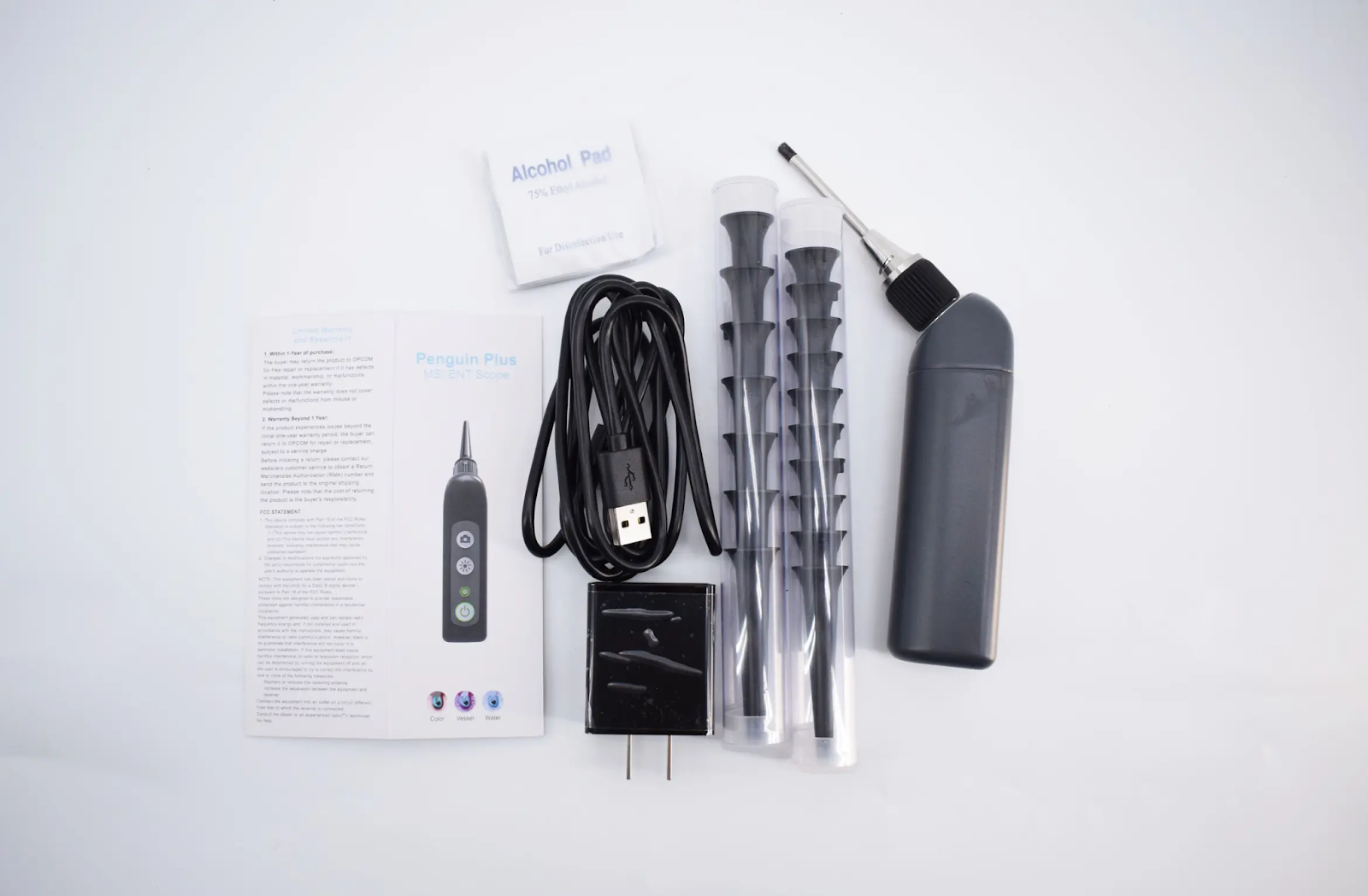
Veterinary endoscopy is revolutionizing the way veterinarians diagnose and treat a variety of conditions in animals. With its ability to visualize internal organs and structures through minimally invasive techniques, veterinary professionals can obtain clearer insights into their patients' health. As more animal clinics adopt this advanced technology, it's important to understand its benefits, limitations, and implementation strategies.
This guide post explores seven essential things you need to know before integrating veterinary endoscopy into your practice, ensuring that you make informed decisions while enhancing your diagnostic capabilities. You can find an array of endoscopic tools and solutions to assist your clinic on Reescope’s veterinary endoscopy website, where they showcase a range of innovative products designed to improve animal health.
With that in mind, let’s dive deeper into the critical considerations for veterinary endoscopy, ensuring that your practice is well-prepared to utilize this technology. The process of adopting new technology in a veterinary clinic can be challenging but rewarding.
It requires knowledge, training, and the right equipment, as well as an understanding of the various scenarios in which endoscopy can be beneficial. Knowing what to expect can ease this transition and enhance not only clinic operations but also patient care.
1. Understand the Types of Veterinary Endoscopy
Before incorporating veterinary endoscopy into your clinic, it is crucial to understand the various types available. Endoscopes differ significantly based on their intended use, whether for small animals, large animals, or specialized cases like monitoring conditions in birds or reptiles.
Small animal endoscopes are typically portable and easier to handle, whereas large animal versions are often designed for deeper access and larger structures. A thorough understanding of these differences will enable you to choose the correct equipment tailored to your practice’s needs and your patients’ requirements.
Selecting the right endoscope also involves considering factors like insertion tube diameter and length, as well as the presence of working channels for performing procedures such as biopsies or foreign body retrieval. Analyzing these factors allows your clinic to offer a broader range of diagnostic and therapeutic options, thereby improving patient outcomes.
2. Preparation and Training are Key
Successful implementation of veterinary endoscopy in your clinic hinges on adequate preparation and training. Professionals using endoscopic equipment must not only be familiar with the tools but also with the procedures that will be performed.
This encompasses everything from setting up the equipment to conducting examinations effectively. It is advisable to invest time in hands-on training before diving into actual procedures. Many manufacturers offer training sessions and resources to educate veterinary staff on proper usage techniques and best practices.
Moreover, constant education should not be overlooked. Veterinary medicine is ever-evolving, with new techniques and technologies being developed regularly. Staying updated on the latest advancements through workshops, seminars, and online courses can place your clinic ahead of the competition. This type of continuous learning fosters confidence among practitioners, ensuring higher accuracy and better outcomes during examinations.
3. Assess Patient Selection Wisely
Not all cases require the use of veterinary endoscopy, nor is every patient an appropriate candidate for the procedure. As a practitioner, being able to evaluate which cases would benefit the most from endoscopic evaluation is crucial. For instance, endoscopy is particularly useful for visualizing issues in the gastrointestinal tract, respiratory systems, or internal organs. However, it may not be warranted for all conditions.
Assessing factors such as the patient’s age, medical history, and other diagnostic findings will assist you in determining if endoscopic evaluation is the best route. A thorough preliminary examination and consideration of alternative diagnostic methods can save both time and resources, helping ensure that you provide the best care possible for your patients.
4. Costs and Budget Considerations
Implementing veterinary endoscopy tools into your clinic can be a significant financial commitment. Budgeting for this technology involves more than just the acquisition cost of the equipment. Ongoing maintenance, accessories, and training expenses can add up quickly. Therefore, conducting a detailed cost analysis is essential before making a purchase.
Consider potential return on investment through improved diagnostic accuracy and additional services offered as a result of having endoscopic capabilities. By offering specialized services, such as internal examinations or minor surgical procedures, you might attract a wider clientele, ultimately offsetting the expenses incurred from the initial investment in veterinary endoscopy. Factor in pricing plans, payment options, and even potential insurance reimbursements to create a feasible budget.
5. Develop a Standard Operating Procedure (SOP)
Having a clear Standard Operating Procedure (SOP) for veterinary endoscopy will streamline the process and ensure consistency in examinations. The SOP should cover everything from equipment setup and patient preparation to sterilization protocols and documentation requirements. This structured approach not only aids the operational flow of your clinic but also increases safety for both patients and staff.
Incorporate protocols for emergency situations as well. Complications can arise during any procedure, so knowing how to respond quickly and effectively can minimize risks. Doing so greatly enhances your clinic's credibility and establishes trust with pet owners, who feel reassured knowing that their animals are in competent and prepared hands.
6. Ethical Considerations and Animal Welfare
As with any medical procedure, ethical considerations must be a top priority when using veterinary endoscopy. The primary concern should always be the animal’s well-being. Because endoscopy is less invasive compared to traditional surgical methods, it is generally associated with lower risks and quicker recoveries. However, ensuring that the procedure is absolutely necessary and performed correctly is vital for maintaining the highest standards of care.
Engaging in open communication with pet owners about risks, benefits, and post-operative care will strengthen the veterinarian-client relationship. Keeping clients informed and involved fosters transparency and trust, which is essential for long-term relationships in a veterinary practice. By prioritizing ethical considerations, you can ensure that your practice not only provides excellent service but operates with integrity.
7. Emphasize Communication and Client Education
Effective communication and client education should not be overlooked. When introducing veterinary endoscopy as a service in your clinic, pet owners may have questions or concerns regarding the procedure. Taking the time to explain how the endoscopy process works, its benefits, and the expected outcomes can alleviate any worries.
Offering informational resources can help keep clients informed. Brochures, online articles, or discussions during consultations can all serve as effective tools for educating pet owners. Moreover, addressing any misconceptions about endoscopy can facilitate greater patient acceptance and encourage pet owners to consider this advanced diagnostic option for their beloved animals.
FAQs
What is veterinary endoscopy?
Veterinary endoscopy is a minimally invasive diagnostic technique that allows veterinarians to see inside an animal's body using a flexible tube with a camera.
What types of endoscopes are available?
There are various types of veterinary endoscopes for small animals, large animals, and specialized situations like avian examinations.
How can I prepare my clinic for veterinary endoscopy?
Preparation involves training staff, selecting appropriate equipment, and developing standard operating procedures for its use.
Are there any risks associated with endoscopy?
While endoscopy is generally safe, potential risks include complications from anesthesia or damage to internal organs if not performed correctly.
How can I educate clients about endoscopy?
Effective client education can be achieved through informational materials, consultations, and open discussions about the procedure and its benefits.
Conclusion
Integrating veterinary endoscopy into your clinic can significantly enhance your practice's diagnostic capabilities and patient care. By understanding various aspects from equipment selection to client education you can navigate this transition successfully. The focus should always remain on the well-being of the animals in your care, ensuring that you provide the highest standard of veterinary medicine.
As veterinary endoscopy continues to evolve, embracing this technology will not only benefit your clinic but also transform the quality of care offered to pets. Equip your practice wisely and maintain a commitment to ethical practices to fully leverage the advantages of this innovative technology.
0 Comments
Categories
- blog 968
Recent posts
Complete Guide To UG38 System
Sat, 18 Apr 2026

Why OLYMPUS88 is Redefining the Online Casino Experience
Fri, 17 Apr 2026

Leave a comment