Inspirational journeys
Follow the stories of academics and their research expeditions
How to Enhance Animal Care Quality with Advanced Veterinary Endoscopy

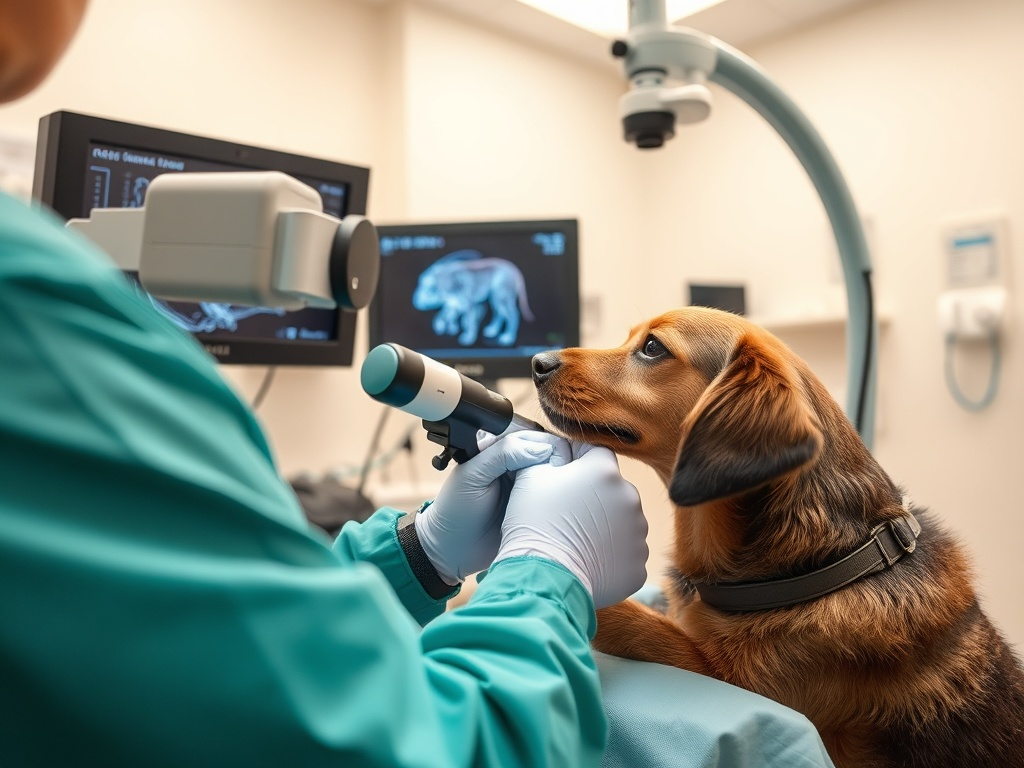
Providing optimal health care for animals is essential in maintaining their quality of life. As veterinary medicine continues to evolve, advanced technologies play a crucial role in enhancing diagnosis and treatment processes. One such innovation is veterinary endoscopy, a minimally invasive technique that allows veterinarians to examine the internal structures of animals. This technology brings forth numerous benefits, such as improved accuracy in diagnosis and reduced stress for patients. As pet owners seek higher standards of care for their beloved animals, understanding how to leverage these tools becomes critical. This blog discusses how advanced veterinary endoscopy can enhance animal care quality, ultimately leading to better health outcomes.
Veterinary endoscopy involves the use of specialized equipment to visualize internal organs and systems without making large incisions. This method significantly reduces recovery times and minimizes pain, enabling faster intervention when problems arise. In medical emergencies, time is of the essence; with advanced endoscopy tools, veterinarians can quickly identify issues such as foreign bodies, tumors, or infections. Utilizing a comprehensive approach to animal welfare, veterinary endoscopy also ensures that animals experience less trauma compared to traditional surgical techniques. As technology continues to improve, these endoscopic systems contribute to the overall growth in veterinary standards and practices.
The Importance of Early Diagnosis
Early diagnosis plays a critical role in the treatment of many diseases in animals. Advanced veterinary endoscopy provides veterinarians with the ability to detect problems at an earlier stage. For instance, conditions like gastric ulcers or chronic ear infections can be identified and treated promptly, preventing more severe complications later on. The clear, high-definition imaging provided by modern endoscopes ensures that veterinarians can accurately diagnose issues and subsequently choose the most effective treatment plans. In addition to being less invasive, this approach often requires fewer resources in terms of time and medication, making it a cost-effective solution for both veterinary practices and pet owners.
Minimally Invasive Procedures
One of the standout features of veterinary endoscopy is its minimally invasive nature. Traditional surgical procedures often require significant tissue damage and longer recovery times, which can be stressful for both animals and their owners. Endoscopy, on the other hand, utilizes small incisions or natural openings such as the mouth or nose to access internal organs. This means less pain and discomfort for animals during and after the procedure. Moreover, with options like portable veterinary endoscopes, veterinarians can perform these essential examinations even in remote areas, ensuring that all animals have access to quality care, regardless of their location.
Comprehensive Health Management
Utilizing advanced endoscopic technology promotes a more comprehensive approach to health management in animals. By integrating endoscopy into the routine care of animals, veterinarians can engage in preventive measures that lower the risk of severe health issues down the line. For instance, regular gastrointestinal examinations can help identify potential problems well before they escalate into significant health threats. Additionally, incorporating specialized endoscopy tools for exotic animal species provides insights into less commonly examined areas, further enriching the overall understanding of animal health. This holistic approach aids in fostering healthier, happier lives for a wide array of animal companions.
Training and Expertise in Veterinary Endoscopy
As the field of veterinary endoscopy expands, so too does the need for veterinarians to gain the necessary training and skills to utilize this technology effectively. Programs specializing in endoscopic techniques are becoming increasingly available, equipping veterinary professionals with the expertise needed to provide the best care possible. Continuous learning also ensures that veterinarians stay updated on the latest advancements in endoscopic technology and techniques, which ultimately benefits their practice and their patients. Investing in training and education is a win-win scenario that enhances animal care quality and elevates the standards of veterinary medicine.
Frequently Asked Questions (FAQs)
1. What is veterinary endoscopy?
Veterinary endoscopy is a minimally invasive procedure that allows for the visualization of the internal structures of animals using specialized equipment. It is used for diagnosis, treatment, and monitoring various health issues.
2. What are the benefits of endoscopy compared to traditional surgery?
Endoscopy is less invasive, results in reduced pain and recovery time, allows for quicker diagnoses, and often proves to be more cost-effective.
3. Can all veterinary clinics perform endoscopic procedures?
Not all clinics have the necessary equipment or training. It’s essential to consult with your veterinarian regarding their capabilities in using endoscopy.
4. Is endoscopy safe for all animals?
Generally, yes. Veterinary endoscopy is safe for many species, including commonly kept pets like dogs and cats, as well as exotic animals. However, each case should be evaluated individually.
5. How can I prepare my pet for an endoscopic procedure?
Your veterinarian will provide specific instructions, which often include fasting your pet for a period prior to the procedure.
Final Thoughts
Advanced veterinary endoscopy represents a significant leap forward in animal care quality. With its capacity for accurate diagnosis, minimally invasive procedures, and comprehensive health management, it offers numerous advantages over traditional veterinary practices. Moreover, as technology continues to advance, the potential for improved animal health and welfare becomes even more promising. By incorporating this innovative approach into veterinary care, both veterinarians and pet owners can work together in ensuring a healthier future for their beloved animals. Investing in veterinary endoscopy is undoubtedly a vital step toward elevating the standards of care in the veterinary field.
0 Comments
Categories
- blog 968
Recent posts
Complete Guide To UG38 System
Sat, 18 Apr 2026

Why OLYMPUS88 is Redefining the Online Casino Experience
Fri, 17 Apr 2026

Leave a comment