
Why OLYMPUS88 is Redefining the Online Casino Experience
Fri, 17 Apr 2026

Follow the stories of academics and their research expeditions
You wake up another morning and see that your child refuses to get ready for school again. The tears start before breakfast. The stomach aches return. You know something isn't working, but making a big change to regular schooling feels scary.
Many parents face this exact predicament. Traditional school works brilliantly for some children. For others, it simply doesn't fit. Online primary schools offer a different path, but deciding whether to make the switch requires honest thinking about what your child actually needs.
When Traditional School Stops Working
Some children struggle in conventional classrooms through no fault of their own. Perhaps your child is a young gymnast who trains 20 hours weekly. Maybe family work means living abroad or travelling frequently. Online primary schools give these families structure without forcing impossible choices between education and other life priorities.
Then there are harder situations. Bullying leaves marks that don't fade quickly. Anxiety can make school gates feel like prison walls. Some children simply learn differently and need more individual attention than a class of 30 can provide. Teachers try their best, but they're stretched thin. Your child might be getting lost in the crowd.
What Makes Online Primary Different
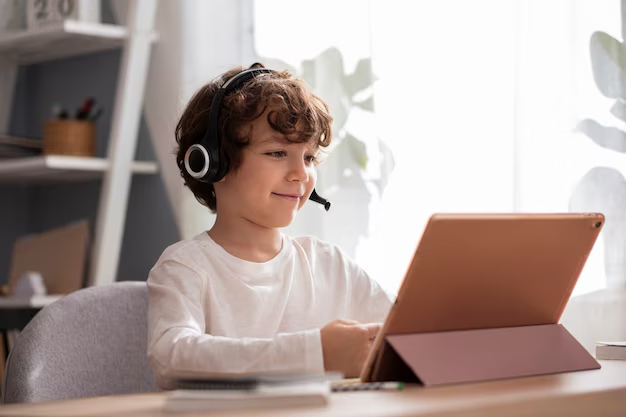
The term "online school" confuses people. Many picture a child alone with a laptop, clicking through pre-recorded videos. That's not how quality online primary education works. Live lessons with real teachers make all the difference. Children see their classmates on screen. They raise hands, answer questions, and work through problems together.
Small class sizes change everything. When a teacher works with 8 to 12 students instead of 30, they notice when someone falls behind. They spot when a child needs an extra challenge. Your child becomes a person, not a number. The British curriculum structure provides clear progression through subjects whilst allowing flexibility in how and when learning happens.
Think about your child's best learning moments. They probably weren't sitting in rows, staying silent. Children thrive when they feel safe asking questions, when they can move around if needed. When lessons match their pace, not an arbitrary schedule designed decades ago.
The Flexibility Question
Flexibility sounds wonderful until you worry it means chaos. Parents fear their child will fall behind without strict timetables and physical classrooms. This fear makes sense. Structure matters for learning. Children need routine and clear expectations.
Quality online primary schools balance both. Yes, lessons happen at set times. Yes, coursework has deadlines. But if your child needs to attend a morning training session or has a medical appointment, learning doesn't stop. Recorded lessons mean catching up happens without stress. Teachers stay accessible through messages and office hours.
Some families travel for work. Others split time between countries. A few just want their child to learn in pajamas on rainy Tuesdays. All these scenarios work with online schooling because location no longer matters. Your sitting room becomes the classroom. A hotel in Singapore works fine. Your child's education travels with them.
Social Connections Still Happen
The socialisation question comes up immediately. Every parent asks for it. Will my child make friends? Will they develop social skills? These worries are completely reasonable.
Children in online primary schools interact differently, not less. They chat with classmates during lessons. They work on group projects. Many schools organise in-person meetups, clubs, and enrichment activities. Your child might actually avoid some of the negative social pressure that makes traditional school difficult for sensitive children.
Friendship looks different here. Children connect over shared interests in online clubs rather than just whoever sits nearby. They learn to communicate clearly in writing and speaking. They develop independence and self-advocacy because asking for help requires intentional action.
Think about your child's current friendships. Do most come from school by default, or from activities they choose? Many children maintain stronger friendships through sports, music, or hobbies than in their classroom. Online school frees up time for these meaningful connections.
Academic Standards Matter
Parents rightly worry about educational quality. Will online learning prepare children properly? Will they fall behind peers in traditional schools? Can they transition back to physical schools if needed?
Accredited online primary schools follow the same curriculum as traditional schools. Children take the same qualifications. Teachers hold proper certifications and subject expertise. Regular assessments track progress. The academic content doesn't change, just the delivery method.
Some children actually excel more online. Without classroom distractions, they focus better. Lessons move at their own pace. If they grasp a concept quickly, they progress. If something takes longer, teachers can adjust. This personalised approach often leads to a deeper understanding than rushing through standardised lessons.
Exam results tell part of the story. But education means more than test scores. Does your child love learning? Do they ask questions? Do they feel confident in their abilities? These outcomes matter just as much as grades.
Making the Decision
No perfect school exists. Every choice involves trade-offs. Traditional school offers physical presence and established routines. Online school provides flexibility and personalised attention. Your family's unique situation determines which trade-offs make sense.
Start by asking what your child needs most right now. Not what sounds impressive or what other families choose. What does your specific child require to feel safe, engaged, and capable?
Consider practical factors too. Does someone stay home during school hours? Can you manage the technology requirements? Does your child work independently or need constant supervision? Honest answers help determine if an online primary school fits your family's reality.
Many schools offer trial periods or taster sessions. Your child can experience online lessons before committing. They can see if the format suits their learning style. You can assess whether the structure works for your family routine.
Moving Forward
Choosing your child's education path feels heavy. You want to make the right call. But perhaps there isn't one right answer, just the best fit for this moment in your child's life.
An online primary school won't solve every problem. It won't magically make learning effortless or eliminate all struggles. But for children who need something different, it opens doors that traditional schooling keeps closed.
Your child deserves an education that helps them flourish. Sometimes that means thinking beyond what you experienced yourself. Sometimes that means trying something that feels uncertain. Trust yourself to know what your child needs.
Fri, 17 Apr 2026
Thu, 16 Apr 2026
Thu, 16 Apr 2026

Start learning with Acadomi! Explore thousands of affordable courses on any topic, anytime, and anywhere. Join our community and unlock your potential today!
Leave a comment