Inspirational journeys
Follow the stories of academics and their research expeditions
Sports in Malawi: Soccer, Infrastructure, and Support for Young Talent

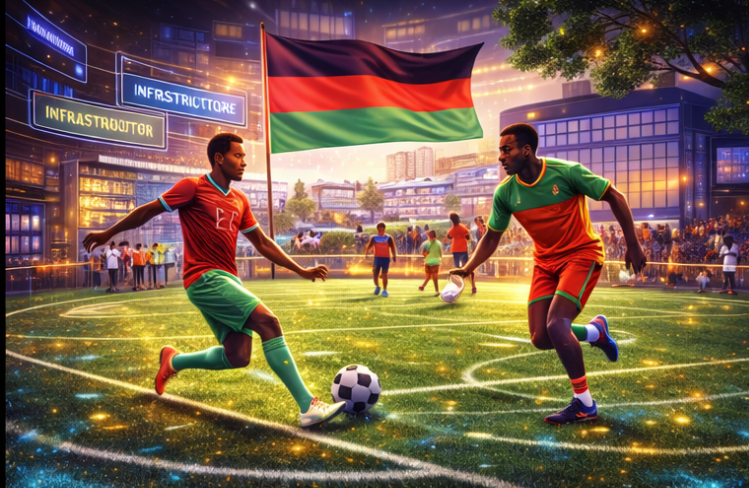
Malawi’s sporting culture reflects community pride, raw passion, and a steady push for progress. From dusty township pitches to national stadiums packed with chanting supporters, sport – especially soccer – shapes identity and aspiration across the country. Interest in international betting platforms such as Betwinner Malawi has grown alongside this enthusiasm, reflecting how deeply fans engage with both local and global competitions. Yet beyond matchday excitement, Malawi’s sports story is about infrastructure gaps, youth ambition, and a determined effort to create pathways for the next generation.
Soccer as the Heartbeat of Malawian Sport
Soccer dominates the Malawian sports scene, both culturally and economically. Known locally as football, the game connects rural districts and urban centers alike. From informal five-a-side matches in Lilongwe’s neighborhoods to organized league fixtures in Blantyre, soccer is the nation’s most visible and widely supported sport.
The TNM Super League features clubs with strong regional identities, drawing loyal followings that travel long distances to support their teams. The national team, known as The Flames, competes in regional tournaments such as COSAFA and has periodically fought for qualification spots in the Africa Cup of Nations.
Despite limited financial resources compared to larger African football nations, Malawi has produced technically skilled players recognized for agility and tactical awareness. Grassroots tournaments, often sponsored by local businesses and telecom companies, keep competitive football alive at community level.
Soccer in Malawi remains both a social equalizer and a professional aspiration. It serves as a unifying force in times of national celebration and challenge, reflecting resilience and shared ambition.
Infrastructure: Progress and Persistent Gaps
Infrastructure development has been a defining factor in Malawi’s sporting evolution. While the country boasts a few modern facilities, many community grounds lack consistent maintenance, lighting, and training equipment.
Main Sports Facilities in Malawi
Bingu National Stadium (Lilongwe) – Modern 40,000-seat venue hosting international fixtures
Kamuzu Stadium (Blantyre) – Historic stadium central to domestic league matches
District Community Grounds – Basic pitches used for grassroots competitions
School Fields – Primary training locations for youth players
Bingu National Stadium represents a step forward, providing a venue that meets continental standards for major tournaments. Kamuzu Stadium remains an iconic site, although it has required renovation to align with modern safety requirements.
Outside major cities, infrastructure challenges are more visible. Many rural pitches lack proper drainage, leading to seasonal disruptions. Limited gym facilities and sports science support restrict player development compared to more advanced football markets.
Still, investment efforts – often in partnership with private sponsors and international bodies – indicate gradual improvement. Infrastructure remains an area with room for steady growth, and sustained funding will shape how far Malawian sport can advance.
Youth Development and Grassroots Support
Young athletes represent Malawi’s most promising resource. Across schools and community leagues, children play soccer daily, often without formal coaching. Organized youth programs aim to convert raw talent into professional opportunity.
Youth development in Malawi typically flows through three levels:
School Competitions – Inter-primary and inter-secondary tournaments identify standout players
Regional Academies – Training centers supported by FAM and private sponsors
Club Youth Systems – TNM Super League clubs running junior squads
School tournaments play a central role in talent discovery. Teachers and volunteer coaches often act as early mentors, though many lack formal certifications. Regional academies provide more structured training, focusing on fitness, discipline, and tactical education.
Some private academies collaborate with foreign scouts, offering pathways to neighboring African leagues. However, funding remains limited, and access to quality coaching differs widely between urban and rural areas.
Youth support in Malawi is fueled by passion and community involvement rather than heavy financial backing. The ambition among young players is unmistakable; what they need most is structured opportunity and consistent mentorship.
Government and Private Sector Involvement
Sports development in Malawi depends on collaboration between public institutions and private sponsors. The Ministry of Youth and Sports oversees policy direction, while corporations contribute sponsorship and operational funding.
Key contributors include:
Telecommunications companies sponsoring league competitions
Banks supporting stadium renovations
International NGOs funding youth sports programs
Media broadcasters expanding match coverage
Corporate sponsorship has helped maintain league continuity and fund national team preparations. Without this backing, many clubs would struggle to meet operational expenses.
Public investment often focuses on facility upgrades and participation programs in schools. Budget constraints, however, limit the scale of nationwide impact. Compared to larger economies, Malawi operates with tight financial margins.
Even with these constraints, partnerships between the public and private sectors show that sports remain a shared national priority. The sustainability of such collaboration will influence future progress.
Challenges Facing Malawian Sport
While enthusiasm runs high, Malawian sport confronts structural and financial challenges that cannot be overlooked.
Limited sports science and medical facilities
Insufficient grassroots funding
Inconsistent access to certified coaching
Infrastructure disparities between urban and rural areas
These obstacles affect player conditioning, injury prevention, and long-term performance. Talented athletes sometimes seek opportunities abroad at an early age due to domestic limitations.
There is also a need for stronger administrative systems within clubs, including transparent financial management and structured youth recruitment policies. Professionalization remains a work in progress.
Yet challenges often inspire resilience. Malawian athletes frequently demonstrate determination that compensates for resource gaps. With incremental reforms and targeted investment, these barriers can gradually be reduced.
The Future Outlook: Building Sustainable Growth
The direction of Malawian sport hinges on structured youth investment, infrastructure modernization, and professional governance. The appetite for soccer is already present; what remains is aligning resources with ambition.
Long-term priorities include expanding academy networks, enhancing coaching education, and maintaining stadium standards that meet continental requirements. Digital broadcasting and sponsorship engagement also offer new revenue channels that could stabilize club finances.
Malawi’s sporting landscape reflects both promise and persistence. Soccer stands at the center of national pride, supported by fans who remain loyal regardless of league position or international ranking. Infrastructure gaps exist, yet progress is visible. Young players continue to dream big, fueled by community encouragement and the hope of professional success.
The story of sport in Malawi is not defined solely by trophies or rankings. It is defined by grassroots dedication, steady institutional effort, and a generation ready to carry the game forward.
0 Comments
Categories
- blog 968
Recent posts
Complete Guide To UG38 System
Sat, 18 Apr 2026

Why OLYMPUS88 is Redefining the Online Casino Experience
Fri, 17 Apr 2026

Leave a comment