
How to Maximize Bonuses in Live Casino Online Games
Thu, 16 Apr 2026

Follow the stories of academics and their research expeditions
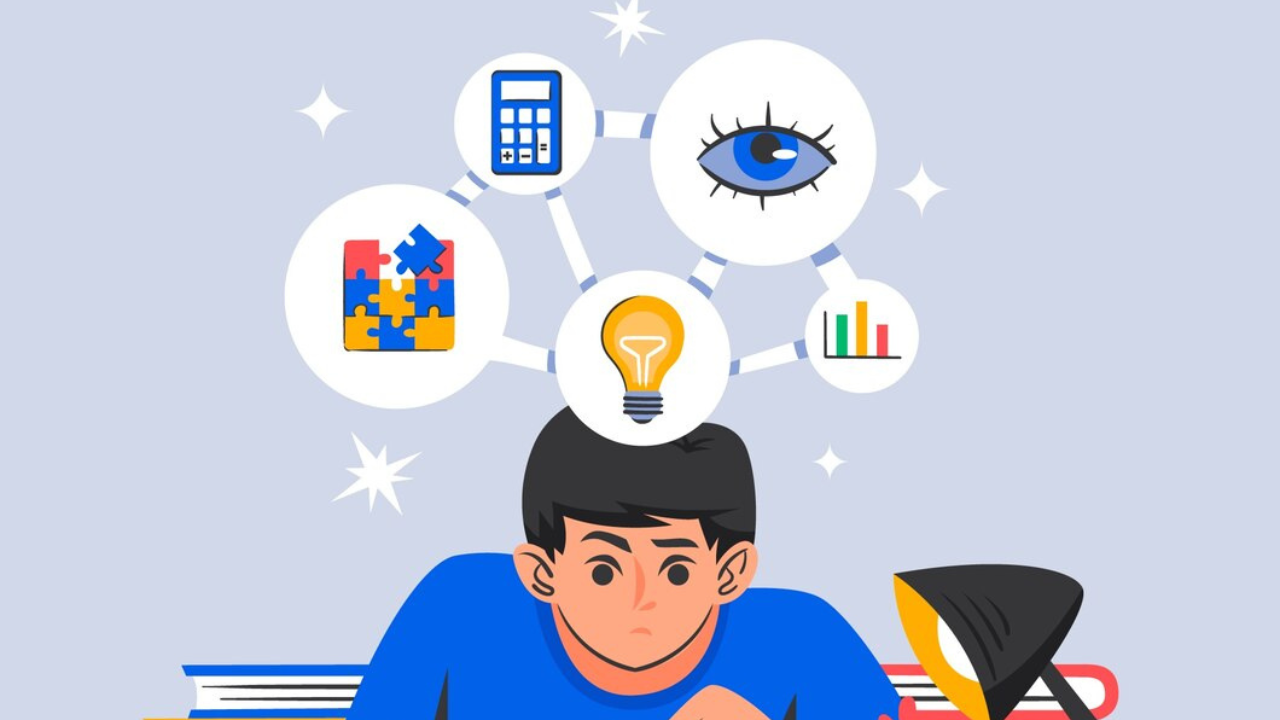
Many learners believe that the key to success is studying harder, for more hours, and with more determination. But here’s the truth: it’s not about how much you study, it’s about how you study.
Most people still rely on old-fashioned methods like rereading notes, highlighting textbooks, or cramming the night before an exam. While these strategies might feel productive in the moment, research shows they do little for long-term retention. The good news? Cognitive science has revealed more effective ways to learn methods that save time, boost memory, and improve realworld application.
In this guide, we’ll break down five powerful, sciencebacked learning strategies that you can apply to almost any subject. They’re easy to implement, adaptable to your schedule, and proven to work. And when you start seeing progress, don’t forget to create a collage of your journey. It's one of the best motivators to keep going.
Our brains are not designed to remember everything we hear or read in a single sitting. In fact, research by psychologist Hermann Ebbinghaus revealed the “Forgetting Curve,” which shows how quickly information fades if we don’t revisit it.
The solution is spaced repetition, a method where you review information at carefully spaced intervals. Each review strengthens the neural connections in your brain, making it easier to recall the information later.
How to Apply It:
Break your study sessions into smaller chunks. Instead of spending five hours cramming, spend one hour each day over a week.
Review new information the day after you learn it, then again after three days, then after a week, and finally after two weeks.
Use tools like Anki, Quizlet, or Memrise that automate spaced repetition schedules for you.
Example:
If you’re learning a new language, review vocabulary today, test yourself tomorrow, and then review again after three days. This schedule ensures you’re catching words before they fade from memory.
Reading, watching, and listening are important but they are passive forms of learning. True mastery comes from active recall, which means pulling information out of your memory without looking at the source.
This process not only strengthens memory but also helps identify gaps in your understanding. In one study at Purdue University, students who used active recall scored significantly higher on tests compared to those who only reviewed notes.
How to Apply It:
After reading a chapter, close the book and explain the key points out loud, as if teaching someone else.
Use flashcards with questions on one side and answers on the other.
Practice with mock tests or problem sets without looking at the answers.
Example:
If you’re studying biology, read about the human heart, then sketch and label it from memory. The act of trying to recall the information forces your brain to work harder and that’s where learning happens.
Our brains process information more effectively when it comes through multiple channels. The dual coding theory, developed by Allan Paivio, shows that combining verbal and visual information leads to better recall than using words alone.
AI image generator can be a useful tool for creating those visuals quickly and effectively.
How to Apply It:
Create diagrams, flowcharts, or timelines alongside your notes.
Pair vocabulary with images or symbols that represent the meaning.
Watch a short explainer video on the topic after reading about it.
Example:
If you’re studying history, don’t just read the facts, create a visual timeline with dates, pictures, and symbols. This makes the sequence of events easier to remember.
Your brain loves connections. The more links you make between new information and existing knowledge, the stronger your understanding becomes. This process, called elaboration, makes it easier to retrieve information when you need it.
When you link new concepts to something familiar, your brain doesn’t have to start from scratch it just follows the existing pathways.
How to Apply It:
Ask yourself: “How does this relate to something I’ve learned before?”
Use analogies to connect abstract ideas to everyday experiences.
Group related concepts together in your notes.
Example:
If you’re learning computer programming, think of a “function” like a recipe in cooking: you give it ingredients (inputs), it follows steps (code), and it produces a dish (output). This analogy makes the abstract concept easier to grasp.
It might sound counterintuitive, but some of the most important learning happens when you’re not studying. During rest especially during sleep your brain consolidates memories, strengthens neural connections, and files new information into long-term storage.
Neglecting rest can undo hours of study. Sleep deprivation has been shown to impair focus, problem solving ability, and memory.
How to Apply It:
Aim for 7–9 hours of sleep each night, especially before important learning days.
Take short breaks every 25–50 minutes during study sessions to recharge focus.
If possible, review your notes briefly before bedtime your brain will continue processing them while you sleep.
Example:
Medical students often review flashcards before bed, not because they have more time at night, but because they know their brains will be working on that information while they rest.
You don’t need to use all five strategies at once in fact, it’s better to start with two or three and build from there. Here’s an example of how you could combine them:
Learn in Layers: Start with an hour of study using spaced repetition.
Turn Information into Action: Test yourself without looking at your notes.
Use More Than One Sense: Create a quick diagram or visual of the concept.
Connect Knowledge: Link the new information to something you already understand.
Rest: Take a 5minute break before moving on, and get good sleep that night.
By repeating this cycle consistently, you’ll find that information sticks longer, feels easier to recall, and is more usable in realworld situations.
Quality beats quantity: Smart learning strategies save time and improve results.
Your brain needs variety: Combine reading, speaking, writing, and visualizing.
Testing is learning: Active recall is more powerful than passive review.
Connections matter: The more links you create, the stronger your memory becomes.
Rest isn’t wasted time: It’s when your brain locks in what you’ve learned.
Smart learning isn’t about working harder it’s about working with your brain, not against it. Once you put these methods into practice, you’ll study less but remember more and you’ll never go back to old habits again.

Fri, 17 Apr 2026
I love how this piece breaks down the why behind effective learning — it’s so easy to fall into ineffective study habits and not realize there’s a science to making knowledge stick. One thing I’ve found helpful alongside these strategies is using tools like https://bestphotos.ai to visually organize and enhance study materials: creating clearer diagrams, refreshed visuals, or enhanced images to revisit later makes revising feel more engaging and less overwhelming. Great reminder that combining smart techniques with thoughtful resources can make learning both more enjoyable and more effective!
ReplyThu, 16 Apr 2026
Thu, 16 Apr 2026
Thu, 16 Apr 2026

Start learning with Acadomi! Explore thousands of affordable courses on any topic, anytime, and anywhere. Join our community and unlock your potential today!
Cassandra Jimson
Fri, 17 Apr 2026
I love how this piece breaks down the why behind effective learning — it’s so easy to fall into ineffective study habits and not realize there’s a science to making knowledge stick. One thing I’ve found helpful alongside these strategies is using tools like https://bestphotos.ai to visually organize and enhance study materials: creating clearer diagrams, refreshed visuals, or enhanced images to revisit later makes revising feel more engaging and less overwhelming. Great reminder that combining smart techniques with thoughtful resources can make learning both more enjoyable and more effective!
Reply