
Why OLYMPUS88 is Redefining the Online Casino Experience
Fri, 17 Apr 2026

Follow the stories of academics and their research expeditions
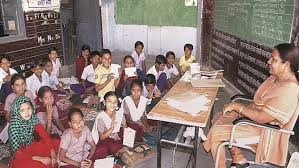
Education in India runs on enormous scale — lakhs of schools, crores of students, and teachers spread across every state and district. Managing this much information manually was once almost impossible. That's where UDISE+ steps in.
UDISE+ (Unified District Information System for Education Plus) is the backbone of school data management in India today. If you’ve ever wondered how the government knows the number of enrolled students, teachers, facilities, or dropout rates — the answer lies here.
Let’s break down what UDISE+ really is and how it works in real life across Indian schools.
What Is UDISE+?
UDISE+ is a national-level online system used to collect, verify, and monitor school-related data across India.
It covers every category of school — government, private, aided, tribal, Kendriya Vidyalayas, Navodaya Vidyalayas, and others.
Think of it as the country’s education information hub:
One platform where every school uploads details about students, teachers, infrastructure, enrollment, and performance.
Why UDISE+ Was Introduced
Before UDISE+, data collection happened mostly on paper or offline forms.
This meant delays, mistakes, and outdated information.
UDISE+ was introduced to:
Digitize school data reporting
Reduce manual paperwork and errors
Provide real-time, accurate information
Support education planning and budgeting
Track student progress and school development
In simple words, it transformed education data from guesswork to verified digital records.
What Data Does UDISE+ Collect?
Schools update a wide range of information on the portal, including:
Student Data
New admissions
Class promotion details
Attendance and enrollment numbers
Transfers between schools
Category and scholarship eligibility
This helps track dropouts, enrollment growth, and learning support needs.
Teacher Information
Qualifications and training
Employment status
Experience and posting details
Professional development programs
This ensures teacher deployment is fair and efficient.
School Facilities & Infrastructure
Number of classrooms
Toilets and drinking water
Electricity and internet
Library and lab facilities
Playground and safety measures
Such data guides improvement projects and fund allocation.
How Schools Update Data on UDISE+
Every year, schools log in to the portal and fill in updated details.
This process usually includes:
School profile update
Student records entry
Teacher information update
Infrastructure reporting
Final verification and data locking
The system confirms that data is accurate before final submission.
Who Uses UDISE+ Data?
The information is used by:
Ministry of Education
State and district education departments
School administrators
Planners and researchers
It helps in making decisions such as:
Teacher appointments
Infrastructure grants
Textbook and scholarship distribution
Planning for digital classrooms and smart schools
Real-World Benefits of UDISE+
This system brings clarity and efficiency across the education network. Some key advantages include:
Better resource distribution
Transparent student and teacher records
Identifying schools needing urgent upgrades
Faster response to dropout trends
Stronger educational policy planning
In short, it helps government and schools work smarter, not harder.
Why UDISE+ Matters Today
India is moving rapidly toward digital and inclusive schooling.
Without accurate data, improving education at such a scale becomes impossible.
UDISE+ ensures:
No student goes unnoticed
Schools receive support based on real needs
Planning is based on facts, not assumptions
In a country this large, data isn't just numbers — it's the foundation for better education and equal opportunity.
Final Thoughts
UDISE+ isn’t a simple database — it’s the engine that drives school planning and student welfare across India.
From small village schools to major institutions, every entry contributes to shaping the education system of tomorrow.
When schools update their information carefully, they help build a stronger and more transparent education network for the entire nation.
The future of digital education in India depends on systems like this — and the cooperation of every school, teacher, and administrator involved.
Fri, 17 Apr 2026
Thu, 16 Apr 2026
Thu, 16 Apr 2026

Start learning with Acadomi! Explore thousands of affordable courses on any topic, anytime, and anywhere. Join our community and unlock your potential today!
Leave a comment