Inspirational journeys
Follow the stories of academics and their research expeditions
Acoustic Barriers Noise Control: Advanced Barrier Products for Industrial

In today’s industrial and manufacturing environments, controlling noise has become more important than ever. From heavy machinery to transport systems, unwanted sound and vibration can impact performance, safety, and comfort. This is where advanced acoustic barriers play a vital role.
Modern Barrier products are no longer simple insulating sheets—they are engineered solutions designed to reduce airborne noise, dampen vibration, and improve thermal and acoustic efficiency across multiple industries. These materials are widely used in automotive, construction, appliances, and engineering sectors where sound control is essential for both compliance and performance.
What Are Acoustic Barriers?
Acoustic barriers are flexible sound-insulating materials designed to reduce the transmission of airborne and impact noise. Unlike basic foam insulation, they work by adding mass and damping properties to surfaces, preventing sound waves from passing through structures such as metal, wood, and plastic panels.
In addition to noise reduction, these materials also function as anti-vibration layers. This means they reduce mechanical resonance and improve structural stability in machines and vehicles. Another key feature of advanced Barrier products is their ability to reflect thermal radiation, making them valuable in environments where heat and sound control are both required.
These barriers can be supplied in sheets or custom-cut formats such as die-cut and water jet-cut solutions, ensuring perfect adaptability for different industrial requirements.
Advanced Manufacturing and Product Flexibility
One of the most important strengths of modern acoustic solutions is flexibility in application. Today’s acoustic barriers are designed to be easily installed on flat, curved, or irregular surfaces. This is particularly useful in automotive interiors, machinery housings, and metal enclosures where standard insulation materials may not fit effectively.
Manufacturers like Acoustafoam Limited have developed highly adaptable Barrier products that can be combined with acoustic foams to form laminated structures. These bespoke combinations help improve both sound absorption and transmission loss, offering a more complete acoustic solution.
Types of Acoustic Barrier Products
1. Polymeric Acoustic Barriers (C03 & C09)
Polymeric barriers such as C03 (1.4mm) and C09 (2.5mm) are low-density vinyl membranes loaded with naturally occurring materials. These materials are specifically designed to enhance sound insulation across a wide frequency range.
A key advantage of these acoustic barriers is that they are free from harmful substances such as lead, bitumen, and unrefined oils. They are typically installed in direct contact with metal, wood, or plastic panels, improving their acoustic performance significantly.
One of their most important functions is reducing coincidence dip resonance, a common issue in lightweight structures like plywood and hollow-core panels. This makes them ideal Barrier products for improving existing structures without full replacement.
2. Bitumen PE Foil Covered Barriers (C022 & C023)
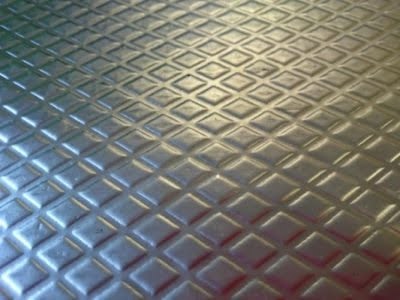
C022 (3mm) and C023 (5mm) are self-adhesive acoustic solutions featuring a diamond-embossed PE foil surface. These Barrier products are designed for flat sound insulation applications where vibration control and noise reduction are both required.
The PE foil layer plays an important role by preventing oil seepage from the bitumen core, ensuring a clean and stable installation. It also enhances bonding capability with different substrates, allowing engineers to create durable composite structures.
These acoustic barriers are widely used in environments requiring long-term reliability and low maintenance.
3. Bitumen Aluminium Acoustic Barriers (C024)
C024 is a high-density acoustic solution featuring a laminated structure of bitumen, polymers, and mineral fillers. It is protected by an aluminium foil surface, making it suitable for high-temperature environments.
This type of Barrier product is especially effective in engine compartments, construction vehicles, agricultural machinery, and marine applications. It delivers strong vibration damping while also resisting heat exposure, making it a dual-purpose insulation material.
Key Applications of Acoustic Barriers
The versatility of acoustic barriers allows them to be used across a wide range of industries. Some of the most common applications include:
Automotive interiors and engine compartments
White goods and household appliances
Lift cabins and elevator systems
Metal furniture and enclosures
Steel sinks, tubs, and industrial fittings
Agricultural and earth-moving machinery
Pipe insulation systems
Marine and transport vehicles
These Barrier products are essential wherever sound reduction and vibration control are required in demanding environments.
Benefits of Acoustic Barrier Products
Modern acoustic barriers provide a wide range of technical and operational benefits:
1. Superior Noise Reduction
They effectively block airborne sound and prevent transmission through structural panels.
2. Vibration Dampening
By reducing mechanical resonance, these materials improve equipment performance and lifespan.
3. Thermal Resistance
Certain Barrier products also reflect heat, improving safety in high-temperature environments.
4. High Flexibility
Their ability to adapt to curved and irregular surfaces makes installation easier and more efficient.
5. Custom Manufacturing Options
Sheets can be cut, shaped, or laminated according to project requirements.
6. Clean and Safe Design
Modern materials avoid harmful substances like lead and bitumen contamination in exposed applications.
The Role of Innovation in Acoustic Engineering
The development of advanced acoustic barriers has been driven by continuous innovation in materials and manufacturing processes. Companies like Acoustafoam have invested heavily in modern machinery, including computer-controlled cutting systems, to ensure precision and consistency in every product.
Founded in 1979, Acoustafoam has grown from producing basic vehicle cladding into a global supplier of engineered noise-control solutions. Based in Telford, the company serves industries ranging from automotive to electronics and marine engineering.
Their focus on quality and innovation ensures that every Barrier product meets strict performance standards, including ISO 9001:2015 certification.
Why Choose Advanced Acoustic Barriers?
Choosing the right acoustic barriers can significantly improve operational efficiency and product durability. Modern solutions are not just about noise reduction—they are about creating integrated systems that enhance performance across multiple factors.
Engineers and manufacturers prefer advanced Barrier products because they:
Improve acoustic comfort in industrial and commercial environments
Extend machinery lifespan by reducing vibration stress
Offer flexible installation in complex structures
Support energy efficiency through thermal insulation
Provide cost-effective long-term noise control solutions
Company Vision and Commitment to Quality
Acoustafoam Limited has built its reputation on quality, innovation, and customer-focused engineering. The company follows a strong mission to develop new materials, invest in technology, and continuously improve product performance.
Its vision is to become a global leader in acoustics by delivering high-quality Barrier products that meet the evolving needs of modern industries. With a strong emphasis on training, internal growth, and technical expertise, the company ensures that every employee understands the materials and applications they work with.
Conclusion: The Future of Acoustic Barrier Technology
As industries continue to evolve, the demand for high-performance noise and vibration control will only increase. Advanced acoustic barriers are now essential components in automotive design, industrial manufacturing, and infrastructure development.
From polymeric membranes to aluminium-laminated sheets, modern Barrier products offer tailored solutions for nearly every application. Their flexibility, durability, and multi-functional performance make them a key part of modern engineering systems.
0 Comments
Categories
- blog 2168
Recent posts
Essential SEO Practices for Growing an Online Gaming Business
Sun, 18 Oct 2026


Leave a comment