Inspirational journeys
Follow the stories of academics and their research expeditions
How Can a Teacher Help a Student Succeed?

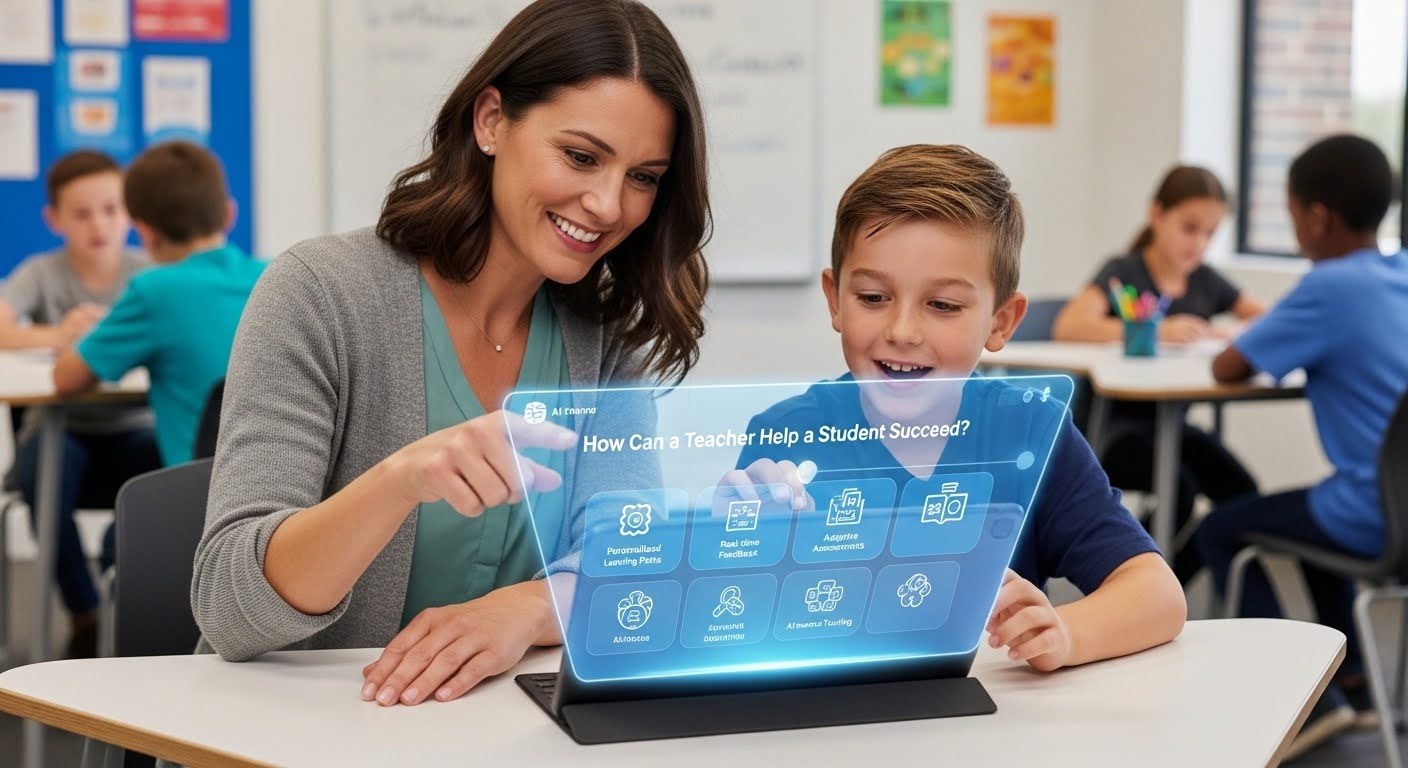
A teacher plays an important role in helping students achieve academic and personal success. While textbooks and lessons provide knowledge, teachers guide students in understanding concepts, developing skills, and building confidence. A supportive teacher can make learning more enjoyable and help students overcome challenges.
Student success is not only measured through grades. It also includes developing communication skills, critical thinking, confidence, discipline, curiosity, and the ability to solve problems independently. Teachers can support these areas by creating a positive classroom environment and understanding the individual needs of their students.
1. Set Clear Expectations
This makes learning feel relevant and shows students that education is not just about grades, it’s preparation for life. It also fuels curiosity, which is at the heart of all great learning. How educational institutions communicate that value to prospective students is also an important consideration in higher ed marketing.
Clear instructions also reduce confusion and allow students to focus on learning rather than trying to understand what they are supposed to do.
2. Provide Constructive Feedback
Feedback helps students understand their strengths and identify areas where they need improvement. Instead of simply marking an answer as wrong, teachers can explain the mistake and provide suggestions for improvement.
Regular and constructive feedback gives students an opportunity to learn from their mistakes and gradually improve their performance.
3. Encourage Students to Ask Questions
Students may sometimes hesitate to ask questions because they are afraid of making mistakes. Teachers can create a classroom environment where questions are welcomed and mistakes are treated as a natural part of learning.
When students feel comfortable asking for clarification, they are more likely to understand difficult concepts and participate actively in lessons.
4. Recognize Individual Learning Needs
Every student has different abilities, interests, and challenges. Some students may understand a concept quickly, while others may need additional examples or explanations.
Teachers can observe how individual students respond to lessons and adjust their teaching methods when appropriate. Personalized support can help students overcome difficulties and make better progress.
5. Build Student Confidence
Confidence can influence how willing students are to participate and attempt challenging tasks. Teachers can build confidence by recognizing genuine effort, celebrating progress, and encouraging students to keep trying.
Positive encouragement does not mean ignoring mistakes. Instead, it helps students understand that improvement takes time and that challenges can be part of the learning process.
6. Teach Effective Study Habits
Students need more than classroom knowledge to succeed. Teachers can introduce practical study skills such as time management, note-taking, revision techniques, organization, and exam preparation.
Developing these habits can help students become more independent learners and manage their academic responsibilities more effectively.
7. Connect Lessons to Real Life
Students often become more engaged when they understand how classroom knowledge relates to everyday life. Teachers can use practical examples, real-world situations, and problem-solving activities to show how academic concepts can be applied outside the classroom.
This makes learning feel relevant and shows students that education is not just about grades; it is preparation for life. It also fuels curiosity, which is at the heart of all great learning. How educational institutions communicate that value to prospective students is also an important consideration in higher education marketing.
8. Encourage Critical Thinking
Rather than always providing direct answers, teachers can encourage students to think independently. Asking open-ended questions and presenting problems that require analysis can help students develop critical-thinking skills.
These skills can be useful not only in school but also in future careers and everyday decision-making.
9. Communicate With Parents and Guardians
Communication between teachers, students, and parents or guardians can provide additional support. When appropriate, sharing information about academic progress, challenges, and achievements can help everyone understand how the student is doing.
Working together can make it easier to identify problems early and create practical ways to support the student's development.
10. Encourage Independence
A good teacher helps students become confident learners who can eventually take responsibility for their own education. Teachers can encourage students to research topics, manage assignments, solve problems, and evaluate their own progress.
Developing independence prepares students for future education, employment, and other responsibilities.
Conclusion
Teachers can help students succeed by providing clear guidance, useful feedback, encouragement, and opportunities to develop independent learning skills. A supportive classroom can help students become more confident while also improving their academic abilities.
Most importantly, teachers can show students that education extends beyond grades. By connecting lessons to real-life situations, encouraging curiosity, and developing practical skills, teachers can help students build a foundation that supports both academic achievement and future personal and professional growth.


Leave a comment