This website uses cookies to enhance your experience, personalize content, and analyze our traffic. By continuing to browse the site, you agree to our use of cookies. Learn more about our cookie policy. Cookie policy
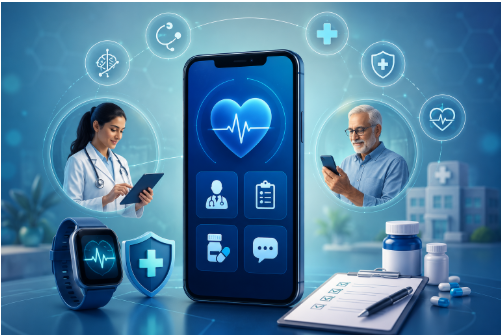
Healthcare apps have changed the way patients interact with doctors, hospitals, and medical services. In today’s digital world, people want quick access to healthcare information, online appointments, medical reports, and communication with doctors without wasting time. Healthcare mobile applications make medical services easier, faster, and more convenient for patients. These apps are becoming an important part of modern healthcare systems because they improve patient satisfaction and help healthcare providers deliver better services.
Many hospitals, clinics, and healthcare companies now invest in healthcare applications to provide a smooth and comfortable experience for users. From booking appointments to tracking fitness goals, healthcare apps are healthcare app development helping people manage their health more effectively. These digital solutions are especially useful for busy individuals, elderly patients, and people living in remote areas where medical facilities may not be easily available.
Easy Appointment Booking
One of the biggest advantages of healthcare apps is online appointment scheduling. Patients no longer need to wait in long queues or make multiple phone calls to book appointments with doctors. Through healthcare applications, users can quickly select a doctor, choose an available time slot, and confirm their appointment within minutes.
This convenience saves time for both patients and healthcare providers. Patients also receive appointment reminders through notifications, which reduces the chances of missing medical visits. Easy appointment management creates a better experience and helps hospitals organize their schedules efficiently.
Quick Access to Medical Records
Healthcare apps allow patients to access their medical records anytime and anywhere. Digital records help patients keep track of prescriptions, test reports, treatment history, allergies, and vaccination details. This feature is very beneficial during emergencies because doctors can quickly review patient history and provide accurate treatment.
Patients no longer need to carry physical files or documents when visiting hospitals. Everything is securely stored inside the app, making healthcare management more organized and stress free. Access to digital medical records also improves communication between doctors and patients.
Better Communication With Doctors
Healthcare applications improve communication between patients and healthcare professionals. Many apps include chat systems, video consultations, and messaging features that allow patients to connect with doctors without visiting hospitals physically.
Telemedicine services became extremely popular because they provide healthcare support from home. Patients can ask medical questions, discuss symptoms, and receive professional advice online. This is especially helpful for individuals living in rural areas or those who cannot travel easily due to illness or busy schedules.
Online communication also reduces unnecessary hospital visits, helping healthcare facilities manage patient loads more effectively.
Medication Reminders and Health Tracking
Many people forget to take medicines on time, especially elderly patients with multiple prescriptions. Healthcare apps solve this problem by providing medication reminders and daily alerts. These reminders help patients follow their treatment plans properly and improve recovery outcomes.
Health tracking features are also becoming popular in modern healthcare applications. Users can monitor blood pressure, sugar levels, heart rate, sleep patterns, calorie intake, and exercise routines. This information helps patients maintain healthier lifestyles and allows doctors to monitor patient progress more accurately.
Fitness tracking and wellness monitoring encourage people to become more responsible about their health and daily habits.
Improved Emergency Support
Healthcare apps can provide emergency assistance during critical situations. Some applications include emergency contact options, ambulance booking features, and GPS location sharing. These services help patients receive medical attention quickly during emergencies.
Emergency support features are particularly useful for elderly users and individuals with chronic health conditions. Quick access to healthcare services can save lives and reduce risks during medical emergencies.
Secure Payment and Insurance Management
Modern healthcare apps also simplify billing and insurance management. Patients can pay hospital bills online, view invoices, and manage insurance claims through mobile applications. Digital payment systems reduce paperwork and improve transparency in healthcare services.
Patients appreciate secure and simple payment options because they make healthcare experiences smoother and more convenient. Online payment systems also reduce waiting time at hospitals and clinics.
Personalized Healthcare Experience
Healthcare apps use patient data to provide personalized healthcare recommendations. These apps may suggest diet plans, exercise routines, health tips, or preventive care reminders based on individual health conditions.
Personalized healthcare improves patient engagement because users feel more connected to their treatment plans. Customized services also increase patient satisfaction and encourage regular health monitoring.
Healthcare providers can deliver more targeted care by understanding patient needs and preferences through digital platforms.
Role of Technology in Healthcare Growth
Technology is playing a major role in improving healthcare systems globally. Artificial intelligence, cloud storage, wearable devices, and mobile applications are helping healthcare providers deliver better patient experiences. Healthcare apps reduce administrative work, improve accuracy, and increase operational efficiency.
Digital healthcare solutions also help hospitals reduce costs while improving service quality. As technology continues to advance, healthcare apps will become even more intelligent and user friendly in the future.
Link Building and Authority Growth
Authority is critical in ensuring that there are improvements in the rankings on searches. SEO agencies in Dubai use link building strategies to create high quality backlinks from trusted websites. These backlinks help search engines understand that the website is reliable and valuable for users.
A professional SEO agency focuses on building natural and relevant backlinks through guest posting, outreach campaigns, business directories, and content marketing. Strong backlinks increase domain authority, improve search engine rankings, and bring more organic traffic to the website. Ethical link building strategies also protect websites from Google penalties and support long-term online growth.
Challenges of Healthcare Apps
Although healthcare apps offer many benefits, there are still some challenges. Data privacy and cybersecurity remain important concerns because Healthcare AI apps store sensitive patient information. Healthcare companies must use strong security systems to protect patient data from cyber threats.
Another challenge is internet accessibility. Some people in remote areas may not have stable internet connections or smartphones to use healthcare apps effectively. Despite these challenges, healthcare technology continues to improve and become more accessible worldwide.
Conclusion
Healthcare apps are transforming the healthcare industry by making medical services faster, easier, and more accessible for patients. From online appointments and telemedicine to health tracking and emergency support, these applications improve the overall patient experience in many ways.
Patients now have better control over their health information and can communicate with healthcare providers more conveniently. Healthcare apps also help hospitals and clinics improve efficiency and deliver higher quality services.
As technology continues to grow, healthcare applications will play an even bigger role in modern healthcare systems. They are not only improving patient satisfaction but also helping create a smarter, more connected, and more efficient healthcare environment for everyone.
Start learning with Acadomi! Explore thousands of affordable courses on any topic, anytime, and anywhere. Join our community and unlock your potential today!
Leave a comment