This website uses cookies to enhance your experience, personalize content, and analyze our traffic. By continuing to browse the site, you agree to our use of cookies. Learn more about our cookie policy. Cookie policy
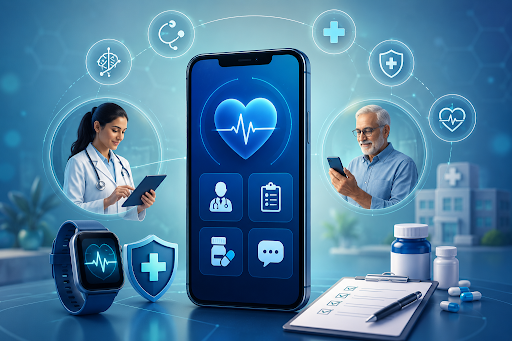
Healthcare apps have transformed the way patients interact with doctors, hospitals, and medical services. In today’s digital world, people expect fast, simple, and convenient healthcare solutions directly from their smartphones. healthcare app development mobile applications are helping patients manage appointments, access medical records, communicate with doctors, and monitor their health without visiting hospitals frequently. These applications not only save time but also improve the overall patient experience by making healthcare services more accessible and efficient.
Modern healthcare apps are designed to provide comfort and convenience to patients of all ages. From online consultations to medication reminders, healthcare technology is improving communication between healthcare providers and patients. As the healthcare industry continues to grow digitally, mobile healthcare applications are becoming an important part of patient care systems worldwide.
Easy Access to Medical Services
One of the biggest advantages of healthcare apps is easy access to medical services. Patients no longer need to wait in long hospital queues to book appointments or receive basic medical guidance. Healthcare apps allow users to schedule appointments, consult doctors online, and access healthcare support from anywhere.
Telemedicine features inside healthcare apps have become highly popular because patients can speak with healthcare professionals through video calls or chat systems. This is especially helpful for elderly patients, people living in remote areas, and individuals with busy schedules. Quick access to doctors improves patient satisfaction and helps patients receive medical attention faster.
Healthcare apps also allow users to find nearby hospitals, pharmacies, and emergency services. This convenience reduces stress and improves healthcare accessibility for patients around the world.
Better Communication Between Patients and Doctors
Effective communication is an important part of quality healthcare. Healthcare apps improve communication by allowing direct interaction between doctors and patients. Patients can ask questions, share medical reports, and receive treatment advice without physically visiting clinics.
Doctors can also send follow-up instructions, test results, and health recommendations through mobile applications. This continuous communication helps patients feel more connected to their healthcare providers. Patients become more confident about their treatment plans when they can easily communicate with medical professionals.
Secure messaging systems inside healthcare apps also protect patient privacy and ensure confidential medical information remains safe. Improved communication increases trust between patients and healthcare providers, leading to a better healthcare experience.
Health Monitoring and Personalized Care
Healthcare apps help patients monitor their health regularly. Many applications include features like heart rate tracking, blood pressure monitoring, fitness tracking, and medication reminders. These tools encourage patients to take better care of their health and maintain healthy lifestyles.
Patients with chronic diseases such as diabetes or hypertension benefit greatly from healthcare monitoring apps. The applications can store medical history, track symptoms, and provide personalized health insights. Doctors can review patient data remotely and make better treatment decisions based on real-time information.
Personalized healthcare services improve patient engagement because individuals feel more involved in their treatment process. Patients can set health goals, monitor progress, and receive customized wellness recommendations directly through the app.
Faster Access to Medical Records
Healthcare apps simplify access to medical records and health information. Patients can view prescriptions, lab reports, treatment history, and vaccination records directly from their smartphones. This digital access reduces paperwork and helps patients manage their healthcare information more efficiently.
Easy access to medical records is especially useful during emergencies because patients can quickly share important health details with healthcare providers. It also reduces the chances of losing important documents or forgetting medical information.
Digital record management improves coordination between hospitals, clinics, and specialists. Better data management leads to faster diagnosis and more accurate treatment plans, which enhances the overall patient experience.
Medication Reminders and Treatment Support
Many patients struggle to follow medication schedules correctly. Healthcare apps solve this problem by providing automatic reminders for medicines, doctor appointments, and health checkups. These reminders help patients follow treatment plans more consistently.
Medication tracking features are highly beneficial for elderly patients and individuals managing multiple prescriptions. Timely reminders reduce missed medications and improve treatment effectiveness. Some healthcare apps also provide educational information about medicines, side effects, and dosage instructions.
By helping patients stay organized and informed, healthcare apps improve health outcomes and reduce the risk of complications caused by missed treatments.
Improved Patient Satisfaction and Convenience
Convenience is one of the main reasons Healthcare AI apps improve patient experience. Patients can manage healthcare services anytime and anywhere using mobile devices. This flexibility reduces waiting times, saves transportation costs, and minimizes unnecessary hospital visits.
Healthcare apps also provide online payment systems, insurance support, appointment notifications, and customer service assistance. These features create a smoother and more comfortable healthcare experience for users.
The use of artificial intelligence and smart healthcare technology is further improving healthcare applications. AI-powered chatbots can answer common medical questions, provide appointment assistance, and guide patients toward proper healthcare resources quickly.
Link Building and Authority Growth
Authority is critical in ensuring that there are improvements in the rankings on searches. SEO agencies in Dubai use link building strategies to create high quality backlinks from trusted websites. These backlinks help search engines understand that the website is reliable and valuable for users.
A professional SEO agency focuses on building natural and relevant backlinks through guest posting, outreach campaigns, business directories, and content marketing. Strong backlinks increase domain authority, improve search engine rankings, and bring more organic traffic to the website. Ethical link building strategies also protect websites from Google penalties and support long-term online growth.
Conclusion
Healthcare apps are playing a major role in improving patient experience by making healthcare services faster, smarter, and more convenient. From online consultations and health monitoring to medication reminders and digital medical records, these applications help patients receive better healthcare support with less stress.
As technology continues to evolve, healthcare apps will become even more advanced and personalized. Hospitals, clinics, and healthcare providers are increasingly investing in digital healthcare solutions to improve patient satisfaction and treatment quality. The future of healthcare is becoming more connected, accessible, and patient-focused through innovative mobile healthcare applications.
Start learning with Acadomi! Explore thousands of affordable courses on any topic, anytime, and anywhere. Join our community and unlock your potential today!
Leave a comment