Inspirational journeys
Follow the stories of academics and their research expeditions
Riding in Kent, WA: Common Crash Risks and What to Do After a Motorcycle Accident

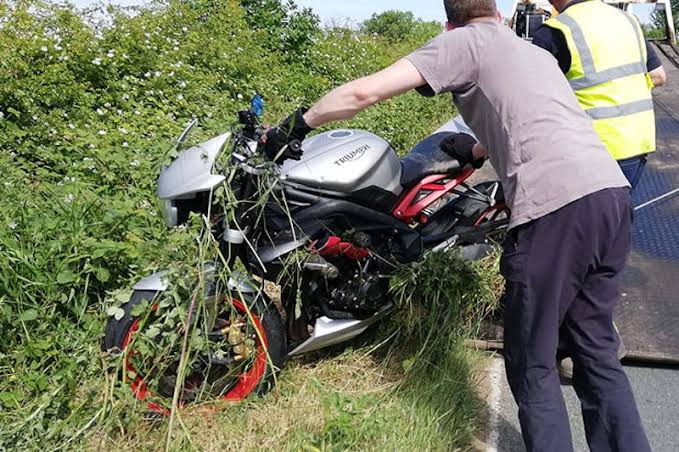
Kent is a popular location for motorcyclists in South King County, offering access to SR 167, I-5, and scenic roads toward Maple Valley and the surrounding foothills. However, heavy traffic, commercial vehicles, and changing weather conditions can make riding challenging. Understanding these local risks, following safe riding practices, and knowing what to do after an accident can help riders protect themselves on the road.
Why Riding in Kent Requires Extra Caution
Heavy Commercial Vehicle Traffic
The Kent Valley contains extensive warehouse and distribution facilities, resulting in regular traffic from semi-trucks, delivery vans, and other commercial vehicles. Roads near West Valley Highway and SR 167 can become particularly busy.
Large vehicles have significant blind spots, require more distance to stop, and need additional space when turning. Motorcyclists should avoid lingering beside trucks and maintain enough distance to react safely when traffic changes.
Congested Commuter Routes
SR 167 and SR 516, also known as Kent-Kangley Road, experience regular commuter traffic. Congestion can lead to sudden braking, unexpected lane changes, and rear-end collisions.
Riders should maintain a safe following distance, monitor surrounding vehicles, and remain alert when traffic slows or begins moving again.
Curves and Intersections on East Hill
East Hill includes sloping roads, curves, and intersections where vehicles may turn across a motorcyclist's path. Drivers sometimes misjudge a motorcycle's speed or fail to notice an approaching rider.
Approaching intersections cautiously, reducing speed when necessary, and preparing to brake can help riders respond to unexpected movements.
Rain and Changing Road Conditions
Western Washington weather can create additional hazards for motorcyclists. Rain, wet leaves, loose gravel, potholes, and slippery painted road markings can reduce tire traction.
Riders should adjust their speed to the conditions, avoid abrupt braking where possible, and increase their following distance when roads are wet.
Common Motorcycle Accident Types in Kent
| Accident type | Common cause | Safety measure |
|---|---|---|
| Left-turn collisions | A vehicle turns across a motorcycle's path | Approach intersections carefully and prepare to brake |
| Lane-change collisions | Drivers overlook motorcycles in blind spots | Avoid lingering beside vehicles and trucks |
| Rear-end crashes | Sudden stops or insufficient following distance | Maintain space and monitor traffic ahead |
| Road hazard accidents | Gravel, potholes, or slippery surfaces | Scan the road ahead and adjust speed |
| Dooring accidents | Someone opens a parked vehicle's door | Maintain a safe distance from parked cars |
Recognizing these common scenarios can help riders identify potential dangers earlier and make safer decisions.
Practical Safety Tips for Motorcycle Riders
Safe riding requires awareness, preparation, and appropriate protective equipment.
Wear an approved helmet: Washington law requires motorcycle riders and passengers to wear helmets that meet the applicable requirements. Review RCW 46.37.530 for the relevant legal provisions.
Choose visible clothing: Bright colors and reflective materials can improve visibility, particularly during rain, cloudy weather, and low-light conditions.
Avoid truck blind spots: Maintain enough distance to see surrounding traffic and avoid remaining beside large vehicles.
Understand lane-splitting rules: Washington law restricts motorcycle lane splitting. Riders can review RCW 46.61.608 for applicable motorcycle operating rules.
Consider additional training: Rider education and refresher courses can help improve hazard awareness, braking techniques, and emergency responses.
Regular motorcycle maintenance is equally important. Check tire condition, brakes, lights, mirrors, and other essential components before riding.
What to Do After a Motorcycle Accident in Kent
Even experienced riders can be involved in collisions. Taking the right steps after an accident can help protect your health and preserve important information.
Move to safety and call 911. If anyone is injured or there is an immediate danger, request emergency assistance. Avoid moving seriously injured people unless necessary to protect them from further harm.
Seek medical attention. Some injuries, including concussions and internal injuries, may not be immediately apparent.
Document the scene. If it is safe, photograph the vehicles, road conditions, traffic signs, visible injuries, and damage to your motorcycle.
Exchange information. Obtain the other driver's contact and insurance details, along with witness information where available.
Keep damaged equipment. Preserve your helmet, jacket, and other protective gear, as they may provide relevant evidence about the collision.
Stick to the facts. Avoid speculating about what happened or admitting fault before the circumstances have been established.
Understand your options. Consider consulting a qualified attorney before making important decisions about insurance claims or legal rights.
Understanding Motorcycle Accident Fault in Washington
Washington follows a pure comparative fault system under RCW 4.22.005. Depending on the circumstances, an injured person may still recover damages even when partly responsible for an accident, although compensation can be reduced according to their share of fault.
Insurance companies may examine factors such as speed, visibility, road conditions, and the actions of everyone involved. Photographs, witness statements, medical records, and official reports can help establish the circumstances surrounding a collision.
Consulting a Kent Motorcycle Accident lawyer may help an injured rider understand how comparative fault applies to their situation and what evidence may be important. Each case depends on its specific facts, so legal outcomes cannot be guaranteed.
Compensation That May Be Available
Depending on the facts of a claim and the applicable law, compensation may include:
Emergency treatment, hospital bills, and surgery expenses
Rehabilitation and future medical care
Lost income and reduced future earning capacity
Motorcycle repair or replacement costs
Damaged clothing, helmets, and personal belongings
Pain, suffering, and loss of enjoyment of life
Accurate documentation of expenses, injuries, and financial losses can help when evaluating a potential claim.
Why Legal Deadlines Matter
Washington generally provides a three-year limitation period for many personal injury lawsuits under RCW 4.16.080, although exceptions may apply depending on the circumstances.
Waiting too long can make evidence harder to obtain and may affect the ability to pursue a claim. Anyone injured in a motorcycle accident should confirm the deadline that applies to their particular situation rather than assume every case follows the same timeline.
Finding Local Legal Assistance
Motorcycle accidents can create medical expenses, missed work, and uncertainty about dealing with insurance companies. Riders in Kent and nearby communities may benefit from learning about their legal options and the evidence needed to support a claim.
Speaking with an experienced Kent Motorcycle Accident lawyer at Brumley Law Firm can help injured riders understand potential next steps, communicate with insurers, and evaluate possible compensation. The appropriate approach will depend on the facts of the accident and the rider's individual circumstances.
Final Thoughts
Kent offers access to enjoyable motorcycle routes, but its commercial traffic, busy intersections, and unpredictable weather require careful attention. Wearing protective equipment, maintaining a safe distance, and adjusting riding habits to road conditions can help reduce avoidable risks.
If an accident occurs, prioritize medical care, document relevant evidence when safe, and learn about your legal options. Taking these steps can help riders make informed decisions while navigating the physical, financial, and legal challenges that may follow a motorcycle collision.
Suggested Featured Image
A horizontal, royalty-free photograph showing a motorcyclist riding on a wet road in the Pacific Northwest, with an overcast sky and a natural roadside setting.
Alt text: Motorcyclist riding on a wet road near Kent, Washington.
Author Bio
[Author Name] is a South King County writer covering motorcycle safety, local traffic concerns, and personal injury law. Their work focuses on providing practical information to help riders understand road risks and make informed decisions after an accident. Learn more at Brumley Law Firm.
0 Comments
Categories
- blog 2184
Recent posts
How to Move With Kids: A Stress-Free Guide for Families
Sat, 24 Oct 2026

How Much Do Movers Cost? 9 Factors That Shape the Price
Sat, 24 Oct 2026

Leave a comment