Inspirational journeys
Follow the stories of academics and their research expeditions
The Secret to Beautiful and Healthy Nails Every Day

Understanding the Basics of Nail Care
Nail care is an important part of personal grooming and overall hygiene. Healthy nails not only improve appearance but also reflect good health and cleanliness. Many people focus heavily on skincare and haircare while ignoring their nails, even though nails face daily exposure to dirt, chemicals, and damage. Proper nail care helps prevent common problems such as brittle nails, breakage, infections, and discoloration. By following a simple and consistent routine, anyone can maintain strong and attractive nails without spending a fortune at salons.
The first step in nail care is keeping the nails clean and dry. Dirt and bacteria can easily collect underneath the nails, leading to infections and unpleasant odors. Washing hands regularly and gently cleaning under the nails helps maintain hygiene. Trimming nails frequently also prevents snagging and breakage. Using a nail file instead of tearing nails by hand keeps the edges smooth and neat. Moisturizing the hands and cuticles is equally important because dryness can cause cracking and peeling around the nail area. Simple daily habits make a huge difference in maintaining healthy nails over time.
The Importance of Nutrition for Strong Nails
Healthy nails begin from within, and proper nutrition plays a major role in nail strength and growth. Nails are made primarily of keratin, a type of protein that requires essential vitamins and minerals to remain strong. A balanced diet rich in protein, biotin, iron, zinc, and omega-3 fatty acids can improve nail health naturally. Foods such as eggs, fish, nuts, spinach, and avocados provide the nutrients needed for stronger nails. Drinking enough water also helps keep nails hydrated and less prone to brittleness.
Nutritional deficiencies can often appear through nail problems. Weak, splitting, or slow-growing nails may signal a lack of important nutrients in the body. For example, iron deficiency may cause ridges or spoon-shaped nails, while low biotin levels can lead to brittleness. Taking supplements may help in some cases, but natural food sources are usually the best option. Maintaining a healthy diet not only improves nails but also benefits the skin, hair, and overall wellness. Beautiful nails are often a reflection of healthy lifestyle choices and balanced nutrition.
Protecting Nails from Everyday Damage
Daily activities can expose nails to significant damage if they are not properly protected. Frequent contact with water, cleaning chemicals, and harsh soaps can weaken nails and dry out the cuticles. Wearing gloves while washing dishes or cleaning the house is one of the easiest ways to prevent damage. Many people also use their nails as tools to open containers or scratch surfaces, which increases the risk of cracking and breakage. Treating nails gently helps preserve their strength and appearance.
Nail products can also affect nail health if used incorrectly. Excessive use of nail polish removers containing acetone can dry out nails and make them brittle. It is helpful to give nails occasional breaks from polish and artificial enhancements so they can recover naturally. Choosing high-quality nail products with nourishing ingredients can reduce harmful effects. Regularly applying cuticle oil or hand cream creates a protective barrier against dryness and environmental stress. Small protective habits can significantly improve the long-term health and durability of nails.
Building an Effective Nail Care Routine
Creating a consistent Nail care routine is essential for maintaining healthy and polished nails. A basic routine should include trimming, filing, moisturizing, and gentle cleaning. Nails should be trimmed straight across and slightly rounded at the edges to prevent painful ingrown nails. Filing in one direction instead of back and forth reduces splitting and keeps the nail structure smooth. Regular care not only improves appearance but also helps identify any unusual changes early.
Moisturizing is one of the most overlooked aspects of nail care. Dry nails and cuticles are more likely to crack and peel, especially during cold weather or after repeated handwashing. Applying hand cream several times a day keeps both the skin and nails hydrated. Massaging cuticle oil into the nail bed can also stimulate circulation and support healthier growth. Some people enjoy weekly home manicures as part of self-care, which can be both relaxing and beneficial for nail health. Consistency is the key to achieving naturally beautiful nails without relying entirely on cosmetic treatments.
Modern Trends and Professional Nail Treatments
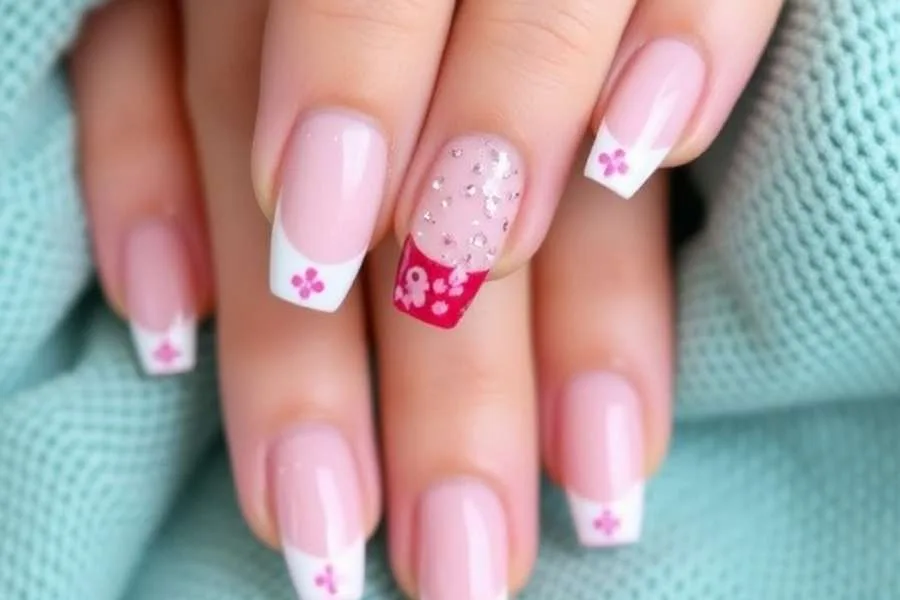
The beauty industry has introduced many modern nail trends and professional treatments that allow people to express their personality and style. From classic French manicures to colorful nail art and gel polish, nail fashion continues to evolve each year. Professional salons offer services such as acrylic nails, dip powder manicures, and strengthening treatments that can create stunning results. These treatments can boost confidence and provide a polished appearance for special events or everyday life.
However, professional treatments should be approached with care and moderation. Frequent use of artificial nails or aggressive filing techniques may weaken the natural nail underneath. Choosing clean and reputable nail salons is important to reduce the risk of infections and poor hygiene practices. It is also beneficial to allow nails time to breathe between treatments. Combining professional care with healthy daily habits creates the best balance between beauty and nail health. With proper attention and maintenance, nails can remain strong, elegant, and healthy while still following the latest beauty trends.
0 Comments
Categories
- blog 2168
Recent posts
Essential SEO Practices for Growing an Online Gaming Business
Sun, 18 Oct 2026


Leave a comment