Inspirational journeys
Follow the stories of academics and their research expeditions
Why Digital Privacy Matters More Than Ever for Students in Always-Online Classrooms

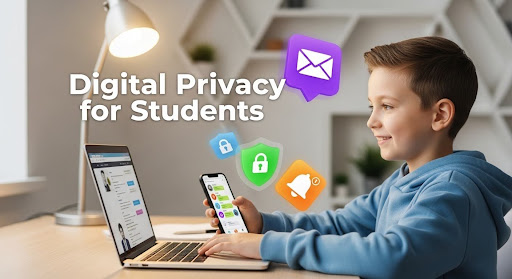
Digital technology has transformed the way students learn, communicate, and complete their academic work. Online classrooms, educational apps, virtual meetings, and digital learning platforms have made education more flexible and accessible than ever before. Students can attend lessons from home, collaborate with classmates, access learning materials, and submit assignments without being physically present in a classroom. However, this growing dependence on technology has also created important concerns about digital privacy.
Every time students use an educational website, join an online class, or download a learning application, they may share personal information. This information can include their names, email addresses, school details, learning activities, device information, and even video or audio recordings. Understanding how this information is collected, stored, and used is essential for protecting students in today's connected learning environment.
Understanding Digital Privacy in Online Education
Digital privacy refers to the protection of personal information shared or collected through digital devices, websites, applications, and online services. In education, it involves keeping student records, personal communications, academic activities, and identifying information secure from unauthorized access or misuse.
Online learning platforms often collect information to provide educational services. For example, a platform may record attendance, track assignment submissions,physical classrooms store grades, or monitor progress through a course. Some systems also use analytics to understand how students interact with learning materials.
Although collecting certain information can improve educational experiences, problems arise when platforms gather unnecessary data, share it without clear explanations, or fail to protect it properly. Students and their families should understand what information an educational service collects and why that information is needed.
Why Digital Privacy Is Becoming More Important
The Growing Use of Educational Platforms
Students increasingly depend on digital tools for everyday academic activities. Learning management systems, video conferencing software, online examination portals, and educational mobile applications have become common parts of modern education.
Using multiple platforms can mean sharing personal information with several different service providers. Each platform may have its own privacy policy, data collection practices, and security measures. Without proper awareness, students may not know where their information is stored or who can access it.
Schools and educational institutions should therefore choose reliable digital tools and explain their privacy practices clearly. Students should also develop the habit of reviewing permissions and using trusted platforms whenever possible.
The Risk of Data Breaches
Data breaches are another major concern for online education. Cybercriminals may target educational institutions because their systems contain valuable information about students, teachers, and families.
A security breach could expose student names, contact details, login credentials, academic records, or other sensitive information. Such incidents may lead to identity misuse, phishing attempts, account theft, and unwanted contact.
Strong passwords, multifactor authentication, regular software updates, and secure account management can reduce these risks. Educational institutions also need appropriate cybersecurity policies, secure data storage, and effective procedures for responding to incidents.
Tracking and Collection of Student Data
Many digital services collect information about how users interact with their systems. Educational applications may track progress, time spent on lessons, quiz results, browsing activity within the platform, and learning preferences.
Some data collection supports useful features, such as identifying topics where students need additional help. However, excessive monitoring can create concerns about transparency, fairness, and personal freedom.
Students should have access to clear explanations about what information is collected and how it is used. Schools should avoid unnecessary surveillance and ensure that any monitoring serves a legitimate educational purpose.
The Impact of Poor Digital Privacy on Students
Identity Theft and Online Scams
Personal information can be valuable to scammers and cybercriminals. If students share email addresses, passwords, phone numbers, or other identifying details carelessly, they may become targets for phishing messages and fraudulent websites.
For example, a student might receive an email that appears to come from a teacher or school administrator. The message may ask the student to verify an account through a suspicious link. If the student enters their login details, an attacker could gain access to their account.
Learning how to recognize suspicious links, verify senders, and protect account credentials helps students avoid these common threats.
Cyberbullying and Unwanted Exposure
Online classrooms allow students to interact through chats, discussion boards, video calls, and shared documents. While these features encourage collaboration, they can also create opportunities for harassment and misuse of personal content.
Screenshots, recorded lessons, private messages, and photographs may be shared without permission. Once personal content spreads across the internet, removing every copy can be difficult.
Students should respect the privacy of classmates and avoid recording or sharing online classroom content without appropriate permission. Schools should establish clear rules for digital communication and provide safe ways for students to report harassment or unauthorized sharing.
Stress and Reduced Confidence
Privacy concerns can affect students' comfort and confidence in digital learning environments. Students who believe their activities are being monitored excessively may feel less willing to ask questions, participate in discussions, or express their opinions.
A safe educational environment requires trust. Students should know that their personal information is handled responsibly and that they can seek help when something goes wrong.
Clear communication, respectful technology policies, and appropriate limits on data collection can help create a more supportive online learning experience.
Practical Ways Students Can Protect Their Digital Privacy
Use Strong and Unique Passwords
Passwords are often the first line of defense against unauthorized account access. Students should create long, unique passwords for their educational accounts and avoid reusing the same password across multiple websites.
A trusted password manager can make it easier to create and store secure passwords. Where available, multifactor authentication provides an additional layer of protection by requiring another verification step during login.
Students should never share passwords through classroom chats, email messages, or social media, even when a message appears to come from someone they know.
Be Careful With Personal Information
Students should avoid sharing unnecessary personal details on educational websites and public discussion platforms. Information such as home addresses, personal phone numbers, identification documents, and private family details should only be provided when genuinely required through an appropriate and trustworthy process.
Before signing up for a new learning application, students should consider whether the service is necessary and review its privacy settings. They should also ask a parent, guardian, or teacher for guidance when a platform requests information that seems excessive.
Recognize Phishing and Suspicious Links
Phishing attacks use deceptive messages and websites to trick people into revealing personal information. These messages may claim that an account will be suspended, an assignment requires urgent action, or a school document needs immediate verification.
Students should check the sender's address, inspect website domains carefully, and avoid opening unexpected attachments. When a message requests sensitive information, it is safer to confirm the request through an official school channel.
Being cautious does not mean avoiding every digital message. It means taking a moment to verify unfamiliar requests before responding.
Keep Devices and Applications Updated
Operating system and application updates often include security improvements that address known vulnerabilities. Students should install updates from official sources and avoid downloading unfamiliar software from untrusted websites.
Using a screen lock, enabling device encryption where available, and signing out of shared computers can also reduce the risk of unauthorized access. Students should be particularly careful when using public Wi-Fi networks and shared devices to access school accounts.
Review Privacy Settings Regularly
Educational applications and video conferencing tools may provide settings for controlling profile visibility, camera access, microphone access, notifications, and data sharing.
Students should review these settings and grant only the permissions necessary for learning. For instance, a basic reading application may not need access to a device's contacts or location.
Privacy settings can change when applications are updated, so checking them periodically is a useful habit.
The Role of Schools and Teachers in Protecting Privacy
Students cannot manage every privacy risk on their own. Schools, teachers, and educational technology providers also have a responsibility to create secure learning environments.
Educational institutions should select platforms with appropriate security measures, understandable privacy policies, and clear procedures for handling student information. They should collect only the data necessary for educational purposes and establish rules governing access, retention, and deletion.
Teachers can help by explaining safe online behavior, using approved learning tools, and avoiding the unnecessary sharing of student information. For example, publishing a class list containing personal contact details on a public website can expose information that should remain private.
Schools should also provide age-appropriate digital literacy education. Students need to understand passwords, phishing, online consent, data sharing, and responsible communication. These skills can support safer technology use throughout their academic and professional lives.
Parents and guardians can contribute by discussing online safety, encouraging open communication, and helping younger students understand the consequences of sharing personal information.
Balancing Personalized Learning With Privacy
Modern educational technology can offer personalized learning experiences. Digital platforms may identify areas where students are struggling, recommend additional exercises, and provide teachers with information about academic progress.
These benefits do not require unlimited access to personal information. Educational institutions should consider whether each type of data collection is necessary, proportionate, and clearly explained.
Students and families should be able to understand how automated systems use learning data and whether that information affects educational decisions. Schools should also pay attention to potential bias, inaccurate assessments, and unfair treatment resulting from automated recommendations.
A responsible approach balances the advantages of educational technology with students' rights to privacy, security, and respectful treatment.
Building Better Digital Habits for the Future
Digital privacy is not a one-time task. It is an ongoing practice that requires awareness and consistent habits. Students can begin by checking account permissions, using unique passwords, keeping devices updated, and thinking carefully before sharing information online.
They should also remember that privacy involves other people. Asking permission before sharing a classmate's photograph, avoiding the publication of private conversations, and respecting online boundaries are important parts of responsible digital citizenship.
Educational institutions can reinforce these habits through classroom discussions, cybersecurity workshops, and clear guidance about acceptable technology use. When students, teachers, families, and technology providers work together, online education can become safer and more trustworthy.
Conclusion
Digital privacy matters more than ever because students now depend on connected technologies for learning, communication, collaboration, and academic development. Although online classrooms offer valuable opportunities, they can also expose students to data breaches, unwanted tracking, phishing attacks, and misuse of personal information.
Protecting privacy requires cooperation between students, parents, teachers, schools, and technology providers. Strong passwords, careful data sharing, secure devices, regular privacy reviews, and responsible platform selection can significantly improve online safety.
Ultimately, digital education should help students gain knowledge without requiring them to sacrifice their privacy. By making data protection a normal part of everyday learning, educational communities can build a more secure, respectful, and confident digital environment for everyone.
0 Comments
Categories
- blog 2168
Recent posts
Essential SEO Practices for Growing an Online Gaming Business
Sun, 18 Oct 2026


Leave a comment