
How a Shared Smart Calendar Can Bring the Whole Family Together
Mon, 23 Nov 2026
Follow the stories of academics and their research expeditions
Family life can be busy, even when everyone lives under the same roof. Parents manage work schedules, children have school activities, grandparents may need regular updates, and household responsibilities never seem to end. Important dates can get lost in phone notifications, messages, notebooks, and separate calendars. When every family member uses a different system, staying organized becomes harder than it should be. A shared family calendar offers a simple way to bring important information into one place so everyone can understand what is happening and what needs attention.
A smart calendar can make this experience even more useful by turning family planning into something visible and easy to access. Instead of asking everyone to check an app, a shared home display can help household members see schedules, tasks, lists, and other useful information at a glance. The goal is not to add another screen that demands attention. It is to make everyday coordination feel calmer and more natural. With thoughtful technology, families can spend less time managing information and more time enjoying the moments that matter.
One common challenge in family life is that important information is often spread across different places. One parent may keep appointments in a phone calendar, while another writes reminders on paper. Children may remember school events only when someone tells them, and grandparents might not know when family plans change. Even simple tasks, such as preparing for a school trip or buying groceries, can become confusing when nobody knows who is responsible for them. A shared planning space helps reduce this confusion by making important household information easier for everyone to find.
A visible calendar can also support better communication between people who have different routines. Parents can check upcoming appointments, children can understand their weekly activities, and caregivers can stay aware of important plans. Rather than depending on repeated messages, family members can look at the same information and make decisions with greater confidence. This is especially helpful in homes where several generations share responsibilities. A clear and accessible planning system does not remove every challenge, but it can make everyday coordination feel less stressful and more predictable.
A traditional paper calendar can be useful, but it has limited space and requires someone to update it by hand. A digital family calendar display offers a more flexible way to manage changing schedules. A shared screen in a common area, such as a kitchen or family room, can help make appointments and plans visible throughout the day. When family members pass by, they can quickly check what is coming up without searching through messages or opening several different apps. This small change can make planning feel like a natural part of the home routine.
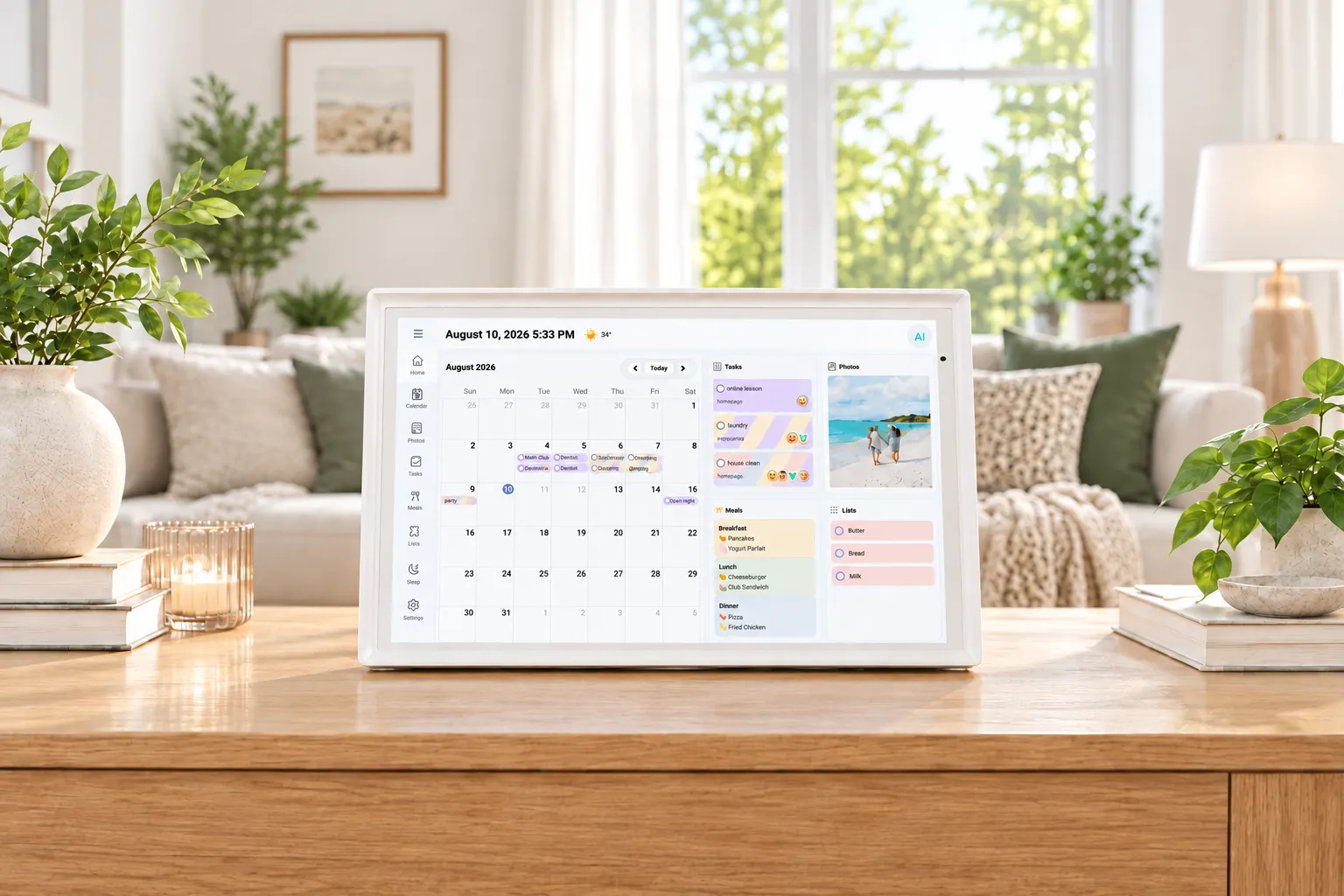
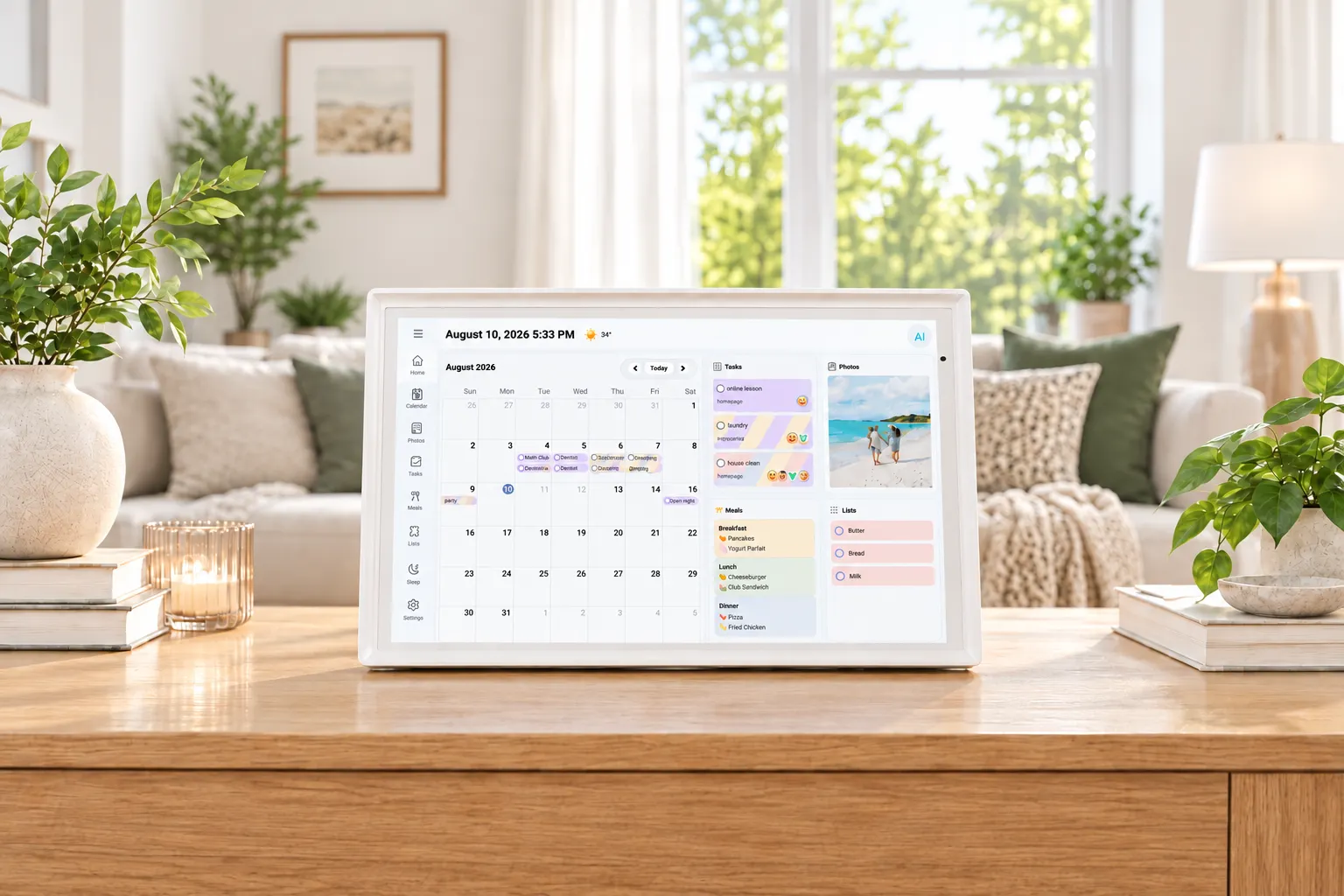
TheWhispal Smart Calendar is designed around this idea of shared family use. It is a 15.6-inch home display that brings family schedules and practical household information together in one place. Families can use it to view calendars, tasks, lists, meal ideas, photos, and videos. This combination helps the screen serve more than one purpose. It can support daily planning while also making the shared space feel personal and welcoming. Instead of treating technology as a separate activity, families can use a central display as a helpful part of their everyday home environment.
A family planning system should work for more than one person or age group. Parents may be comfortable using several digital tools, while children and grandparents may prefer simple information they can see without learning a complicated app. A shared display can make information easier to understand because family members can look at the same screen. Children may find it easier to follow a visible routine, while older relatives can check important dates without needing to search through a phone. This can be useful for families who share caregiving duties or regularly coordinate visits and activities across generations.
A well-designedshared family calendar can also encourage family members to take part in planning rather than leaving every responsibility to one person. When schedules and household tasks are easier to see, everyone has a better chance of understanding what needs to happen. Parents can discuss the week with children, relatives can stay aware of family occasions, and caregivers can follow agreed plans. The value comes from making information accessible, not from asking every person to become an expert in technology. Simple, clear design can help different generations feel included in the same household routine.
Organization is important, but a family home is about more than schedules and responsibilities. It is also a place where people share experiences, celebrate milestones, and create memories. A home display that includes personal photos and videos can bring a warmer feeling to everyday planning. Family pictures from birthdays, holidays, school events, and visits can make a shared screen feel connected to the people who use it. These small visual reminders can turn an ordinary household display into something more meaningful than a place to check appointments.
Whispal's product direction reflects this connection between practical organization and family memories. Its approach brings visible planning together with personal features such as photos and Special Moments. This matters because technology should support real life rather than compete with it. A reminder before school can help a busy morning run more smoothly, while a familiar family photo can create a pleasant moment during an ordinary day. When a shared display balances useful information with personal memories, it can become a more welcoming part of the home. The best experience is one that feels helpful without becoming distracting.
Not every digital tool makes family life easier. Some products introduce too many notifications, complicated settings, or features that require constant attention. Before choosing a digital calendar for the home, families should think about their actual routines. They can consider where the display will be placed, who will use it, what information needs to be visible, and whether the system feels comfortable for different family members. A useful device should fit the household rather than force everyone to change the way they live. Clear information, simple interactions, and practical everyday features are often more valuable than a long list of functions.
Thoughtful technology should also treat family information with care. Calendars, photos, and account access can contain personal details, so privacy and clear controls deserve attention when choosing a connected home product. Families should understand how a device handles their information and review the available settings before using it. Whispal's guiding principles focus on calm design, real household needs, personal memories, and responsible data handling. Its AI direction is also intended to help where it can reduce work or add enjoyment, such as voice assistance, photo remix, music, and meal ideas. These features should support the household experience rather than make it more complicated.
A shared smart calendar can help families bring schedules, tasks, lists, and everyday plans into one visible place. It can make communication easier, support different generations, and reduce the confusion that comes from keeping information in separate apps, notebooks, and messages. When a display is placed in a common area, family members have a simple way to stay aware of upcoming activities and household responsibilities. This does not mean every family needs a complicated digital system. Often, the most useful solution is one that makes essential information easier to see and understand.
The best family technology also leaves room for the personal side of home life. Photos, videos, and Special Moments can make a shared display feel warm, while practical planning tools can help daily routines run more smoothly. Whispal's approach brings these ideas together through technology designed for real households and different generations. A calmer home does not come from adding more screens or notifications. It comes from choosing tools that genuinely help people stay organized, connected, and present with one another.
Mon, 23 Nov 2026
Mon, 23 Nov 2026

Mon, 23 Nov 2026


Start learning with Acadomi! Explore thousands of affordable courses on any topic, anytime, and anywhere. Join our community and unlock your potential today!
Leave a comment