Inspirational journeys
Follow the stories of academics and their research expeditions
Knee Support for Athletes: Preventing Injuries During Training

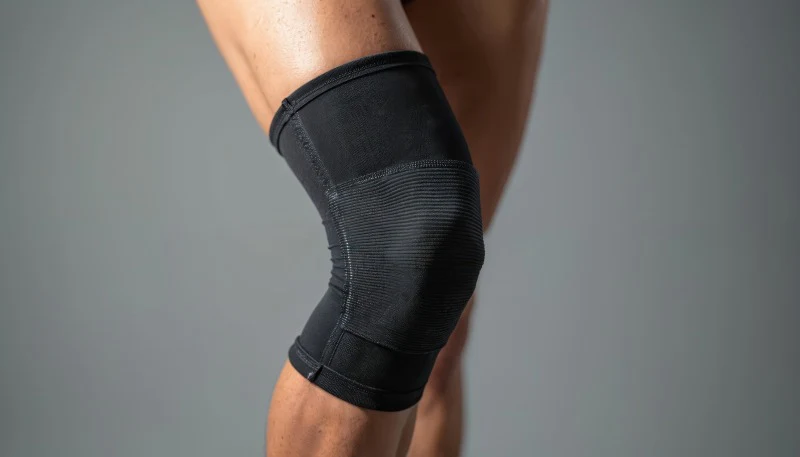
Athletes are pushing their bodies to the limit in a very constant manner. Whether you are a runner in the streets of Mumbai or a weightlifter in a local gym, your knees take the brunt of the impact. The total repetitive stress of jumping, sprinting, and pivoting can lead to wear and tear.
This is where knee support comes into play. For many, a simple sleeve or a rigid brace is the difference between staying on the field or sitting on the sidelines. However, using these tools effectively requires more than just pulling them on. Understanding the nuances of fit, function, and timing is quite essential for any athlete looking to stay injury-free.
Do Compression Knee Sleeves Really Help Athletes?
One of the most common questions in the locker room is: do compression knee sleeves really help athletes? The ultimate answer is a resounding yes, but perhaps not in the way you think. A sleeve does not have the mechanical strength to hold a bone in place like a metal brace does.
Compression totally helps increase blood flow to the area, which keeps the joint warm as well as reduces minor swelling during and after a session. Proprioception refers to your brain’s ability to sense the position and movement of your joint. When the fabric of a sleeve touches your skin, it ultimately provides constant feedback to your nervous system, making you more mindful of your form. This total heightened awareness helps you avoid awkward landings or movements that could lead to a sprain.
Should a Knee Brace Be Tight or Loose?
When it comes to athletic performance, the fit of your gear is everything. If you are wondering should a knee brace be tight or loose, the goal is a firm, even pressure. It must be tighter than a regular sock but not so tight that it feels like a tourniquet. A loose brace is useless because it will not provide the necessary compression or stay in place when you move.
On the other hand, an overly tight brace is a recipe for disaster. It can restrict the movement of your muscles and hinder blood circulation. For sports, the support should feel like a sturdy hug around the joint. It should give you a sense of stability without making you feel like your leg is trapped in a pipe.
How Tight Should a Knee Sleeve Be for Sports?
Precision matters during high-intensity training. If you are asking how tight a knee sleeve should be for sports, think about the duration of your activity. If you are doing a quick set of heavy powerlifts, you might prefer a very tight fit for maximum rebound. However, for a marathon runner or a football player, that same level of tightness would be unbearable after twenty minutes.
The sleeve should be tight enough to stay up during explosive movements but loose enough to allow full muscle expansion. If your thigh muscles feel like they are being strangled when you flex, the sleeve is too small. You need that muscular expansion to generate power.
How Do You Wear a Knee Brace Correctly?
It sounds simple, but many people get this wrong. To know how to wear a knee brace correctly, you must start with the positioning of the patella. Most braces have a circular stitching or a hole meant for the knee cap. This must be centered perfectly.
Step 1: Sit down with your leg slightly bent.
Step 2: Slide the brace up so the center sits right over your kneecap.
Step 3: If there are straps, fasten the one directly below the knee first to create a shelf.
Step 4: Fasten the upper straps, ensuring they are snug but not pinching the skin.
Step 5: Stand up and perform a few shallow squats to make sure it stays centered.
How to Choose Correct Knee Support Size
The biggest mistake athletes make is buying based on their pant size. To learn how to choose the correct knee support size, you must use a tape measure. Measure the circumference of your leg at the mid-kneecap, five inches above the knee, and four inches below the knee. Different brands have different sizing scales.
If you are an athlete with very large quadriceps but narrow knees, you might need a tapered sleeve rather than a cylindrical one. Always check the brand-specific charts. If you are between sizes, the larger size is usually better for endurance sports, while the smaller size is better for short bursts of heavy lifting.
If you cannot perform a movement without the brace because the pain is too high, you should be in a doctor's office, not the gym. Training through an injury by just wrapping it up often leads to more severe damage.
Knee Brace Irritation After Long Training
Skin health is often overlooked. Knee brace irritation after long training is common due to friction and heat. Sweat gets trapped against the skin, leading to heat rashes or chafing. To prevent this, look for breathable materials like 3D knit fabrics rather than solid neoprene. Also, ensure you wash your brace after every single use to remove the salt and bacteria that cause irritation.
Can Knee Braces Prevent Injury Without Physical Therapy?
There is a common myth that a piece of fabric can replace professional rehabilitation. Can knee braces prevent injury without physical therapy? Realistically, no. A brace for total pain management might prevent a minor scrape or provide a bit of stability, but it cannot fix muscle imbalances or poor mechanics. Without physical therapy to correct why your knee is hurting in the first place, you are just putting a bandage on a deeper issue.
Here are some expert tips for knee support to prevent training injuries:
Always warm up your muscles without the brace first in order to get the blood flowing.
Use the brace for your heaviest sets or most intense drills.
Incorporate balance and stability training on a regular basis.
Listen to your body; if the joint feels hot or swollen, take a rest day.
By following these guidelines and ensuring a proper fit, you can totally use knee support in order to enhance your performance as well as keep your joints safe for years to come.


Leave a comment